
How long can I cruise on an electric motor? Real-world tests
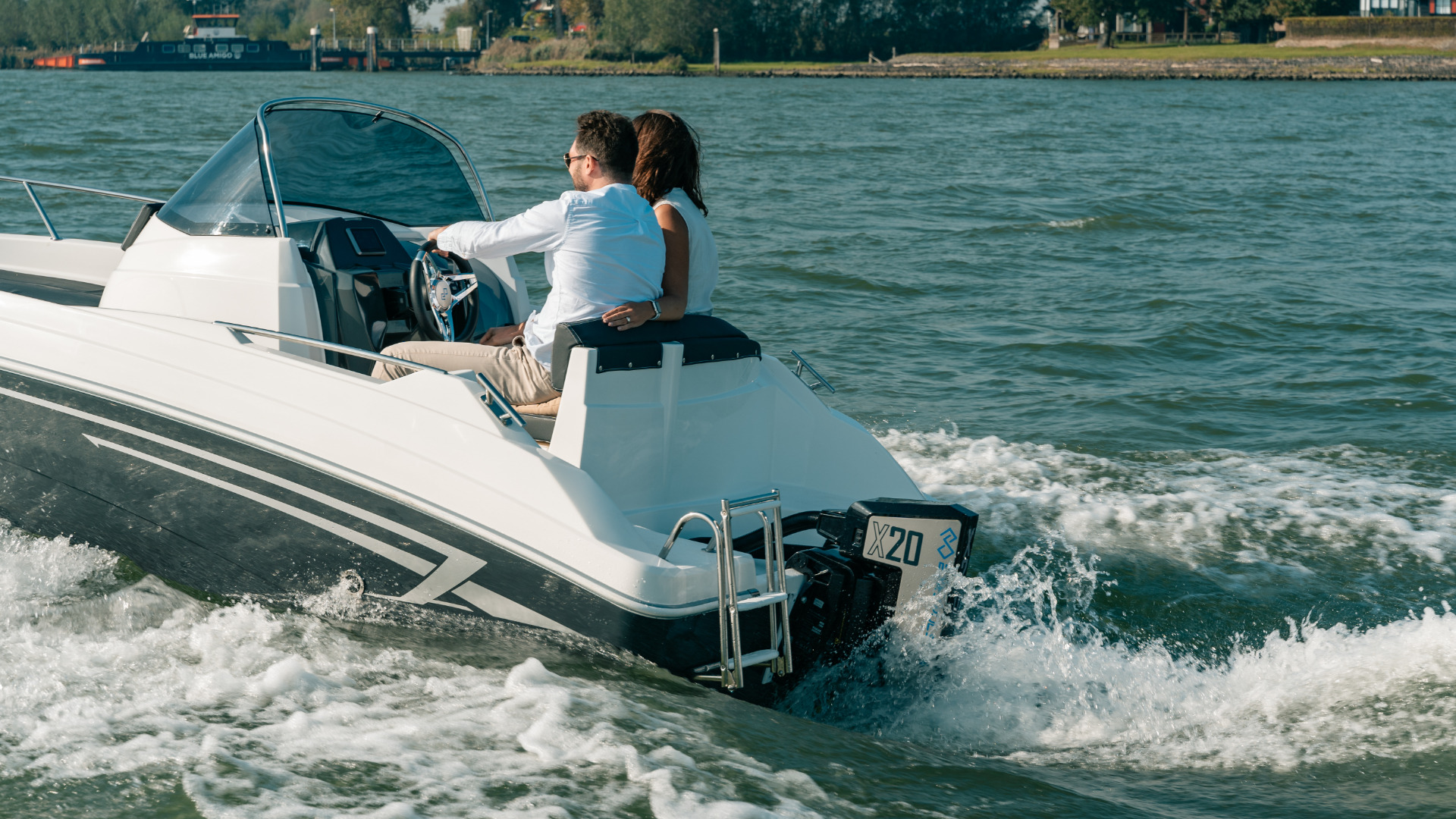
This is one of the most common questions anyone considering an electric motor hears:
"How long will the battery last?"
"How many kilometers can I travel?"
And these are very good questions, because with electric propulsion, we're not talking about fuel consumption in liters, but about energy consumption in kW and operating time. Fortunately, this can be predicted very accurately—much more precisely than fuel consumption in an internal combustion engine.
In this article, I will show real-world tests on boats with ePropulsion motors and G102-100 and G102-230 batteries, so you can see how it looks in practice, not just in the catalog.

How far can I cruise on a G102-100 battery?
The G102-100 battery has approximately 10.2 kWh of energy. If we have two batteries in the system, we have about 20.5 kWh of energy.
The simplest way to calculate it is as follows:
| Power Consumption | Cruising Time (2x G102-100 ) |
|---|---|
| 2 kW | approx. 10 hours |
| 4 kW | approx. 5 hours |
| 6 kW | approx. 3.5 hours |
| 10 kW | approx. 2 hours |
| 20 kW | approx. 1 hour |
These are, of course, approximate values, but they very clearly show one important thing:
The range of an electric motor depends mainly on speed, not just the battery itself.
Real-Life Examples
Check how the parameters of various boats affect the range. Click on the selected boat to see details:
Maxima 630 (2024)
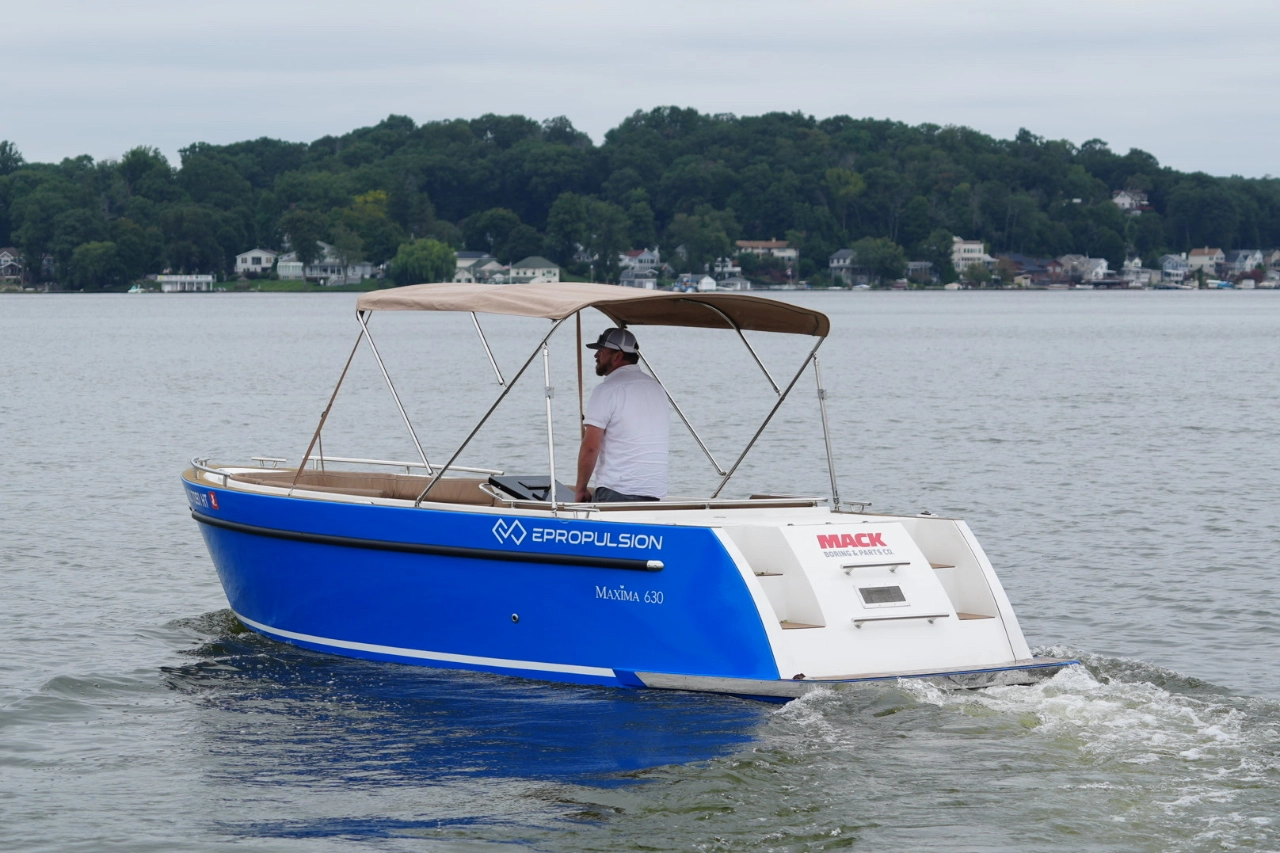
Maxima 630 (2024) - compact electric boat with X20 motor
Boston Whaler 13 (1960)
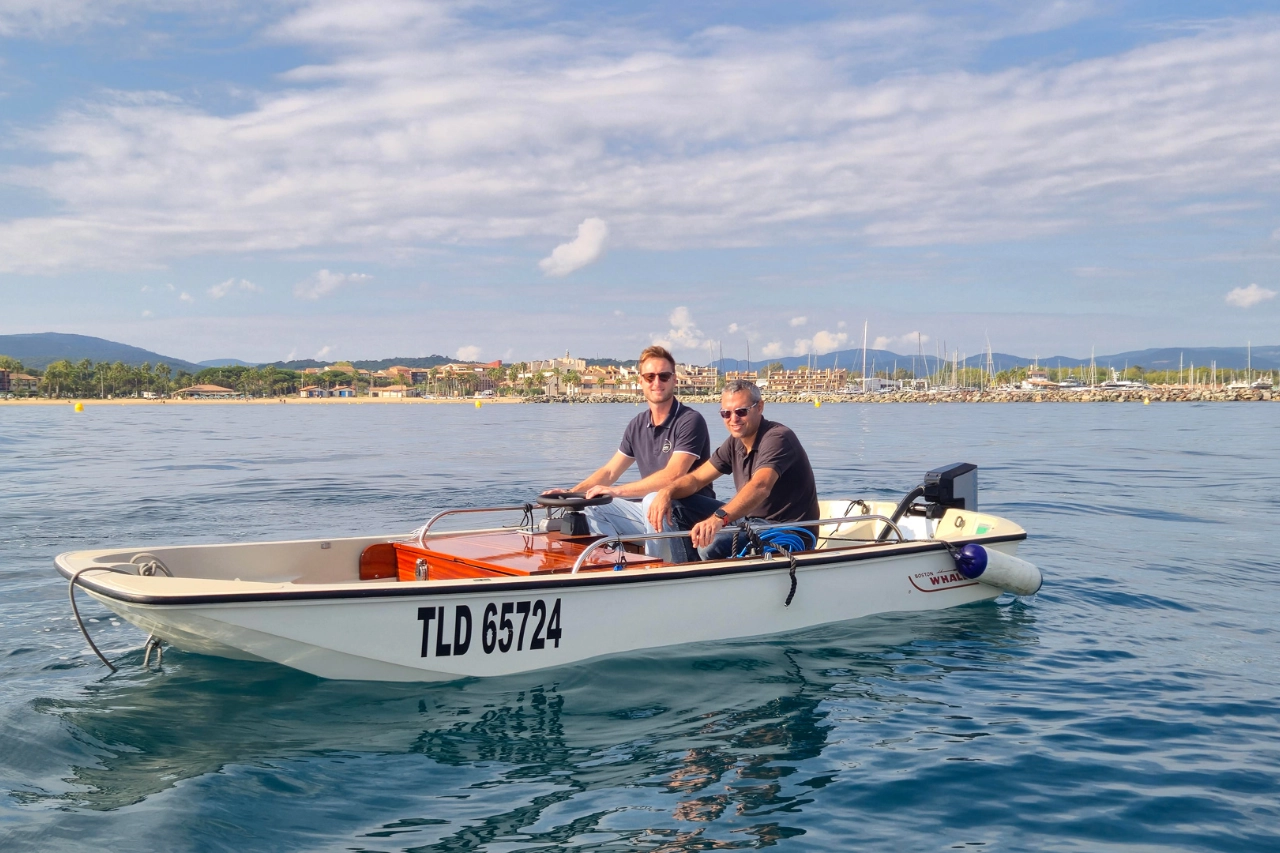
Boston Whaler 13 (1960) - smaller electric boat with X12 motor
Prins 555 Open (2023)
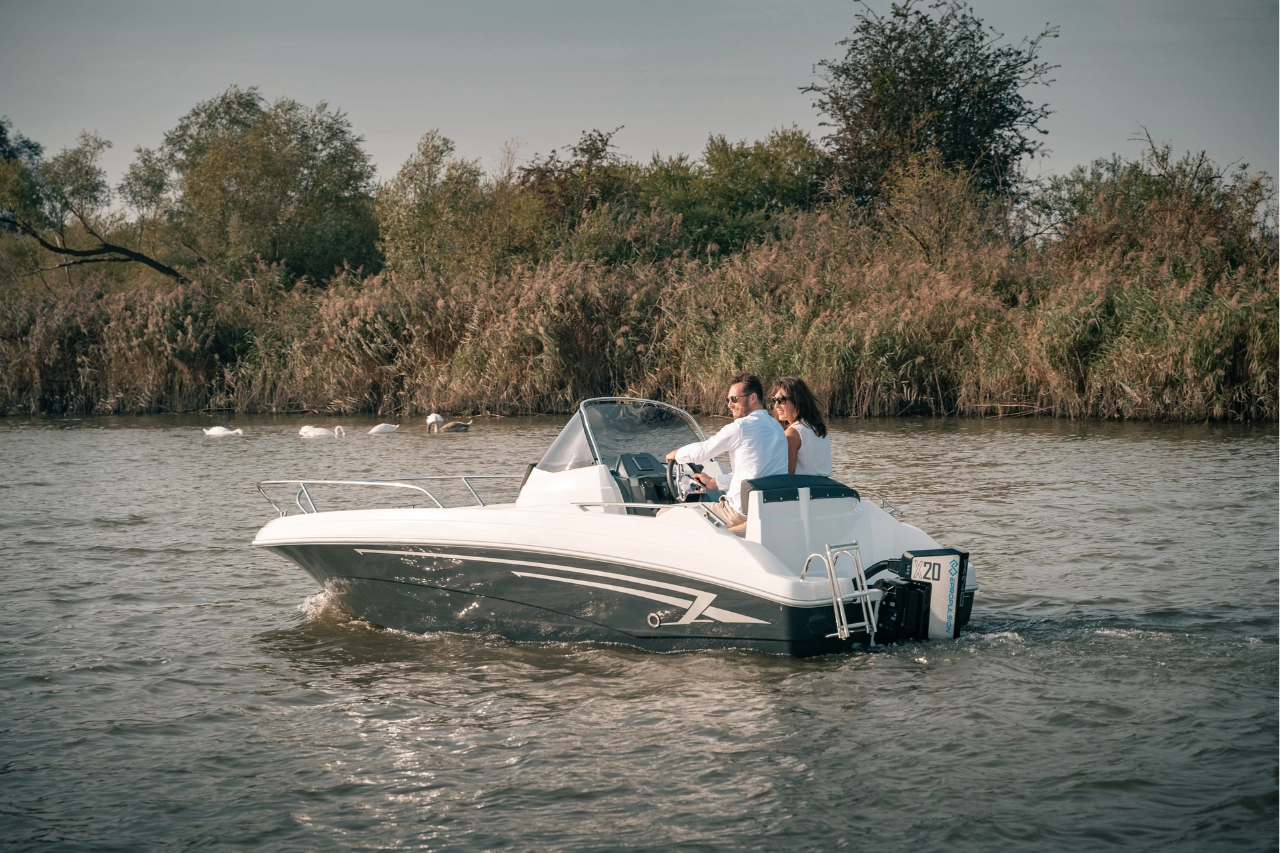
Prins 555 Open (2023) - typical 5-6 meter recreational boat with X20 motor
Does a heavy boat with a small electric motor make sense? Example: Jeanneau Merry Fisher 695
A very interesting real-world example is the Jeanneau Merry Fisher 695. This is a typical, relatively heavy cabin cruiser, yet it was equipped with a relatively small electric motor and a single battery.
Click to see details:
Jeanneau Merry Fisher 695 (2025)
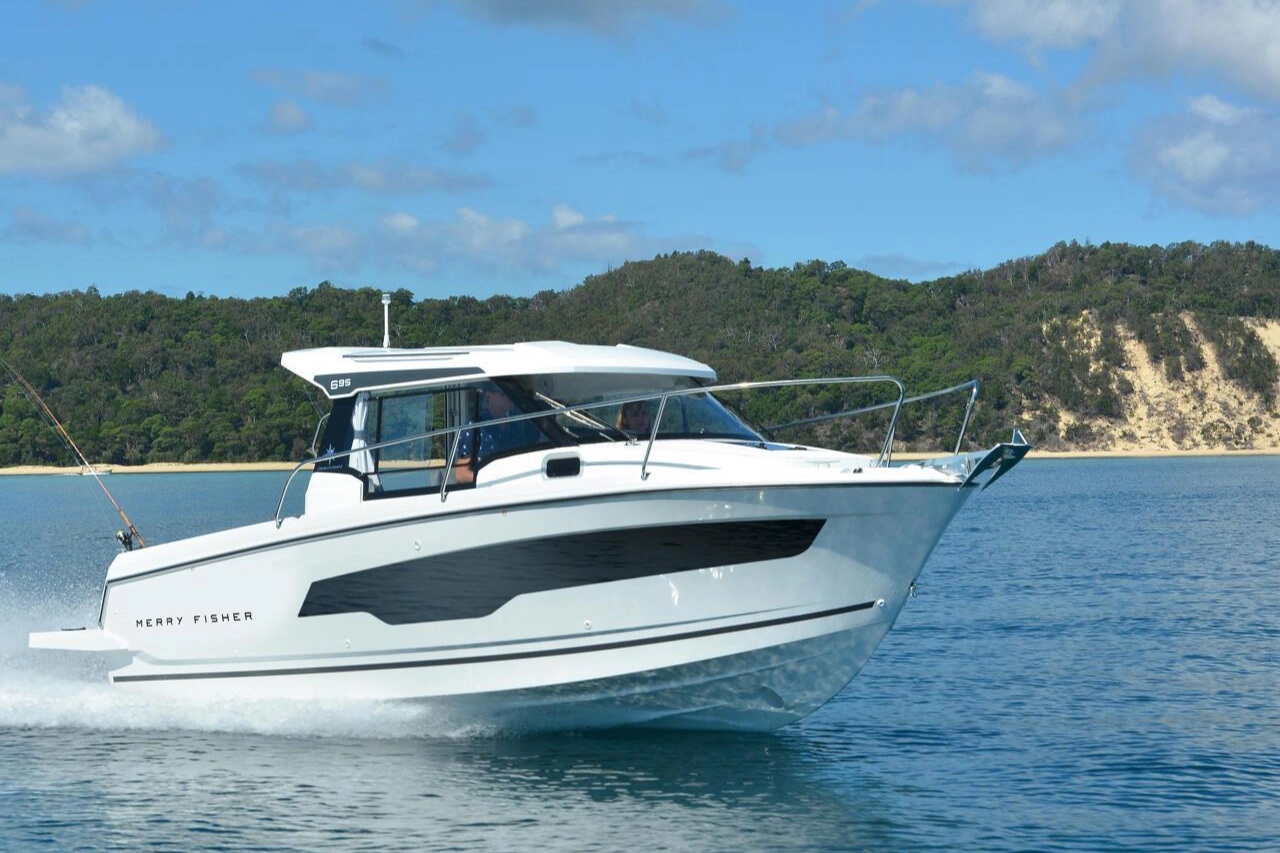
Jeanneau Merry Fisher 695 (2025) - heavy cabin cruiser with X12 motor
What does this example show in practice?
This is a very important example because it shows something many people don't know:
Increasing power in a heavy displacement boat does not significantly increase speed, but it drastically shortens cruising time.
See:
- we increase power from 1 kW to 5 kW (5 times more power),
- speed only increases from 7.4 km/h to 10.1 km/h,
- but cruising time drops from 10 hours to 2 hours.
Meaning:
- +2.7 km/h speed
- -8 hours cruising time
This perfectly illustrates why displacement and recreational boats are most often cruised at economic speeds, not maximum speeds.
Conclusion for the user
Based on this boat's example, it is very clear:
- a heavy boat doesn't need a very large motor for recreational cruising,
- you can cruise 8-10 km/h for several hours even on a single battery,
- increasing power beyond a certain point yields a small increase in speed but very high energy consumption.
Therefore, in electric propulsion, the most important question is not "how big is the motor", but:
- how heavy the boat is,
- what is the waterline length,
- at what speed do you want to cruise,
- how long do you want to cruise for.
And only then are the motor and battery capacity selected based on this.
This example perfectly educates the customer and at the same time shows the sense of 96V systems - especially in recreational, cabin, and displacement boats.
Does a larger G102-230 battery change much?
Yes - very much so.
In practice, this means the boat can operate all day without charging.
Why do some people cruise for 1 hour and others for 10 hours on the same battery?
Because speed is the most important factor.
Power demand increases very rapidly with speed. This can be simplified:
| Cruising Style | Power Consumption | Cruising Time |
|---|---|---|
| Very slowly | 1-2 kW | 10-20 h |
| Recreationally | 3-6 kW | 3-6 h |
| Fast | 8-12 kW | 1.5-2.5 h |
| Maximum | 15-20 kW | approx. 1 h |
And this is the most honest answer to the question: How long can I cruise on an electric motor?
As long as the speed you want to cruise at allows.
Summary - how long will the G102 battery really last?
Most important conclusion
With an internal combustion engine, you ask: how much fuel does it consume per hour.
With an electric motor, you should ask: how many kW do I need to cruise at my desired speed.
Because it is speed that determines the range, not the battery itself.
And that's why a well-chosen 96V system with G102 batteries can be tailored so that the boat operates exactly as the owner needs - whether it's for 2 hours of fast cruising or a full day of calm recreation.
Maxima 630 (2024) - Real-world test data
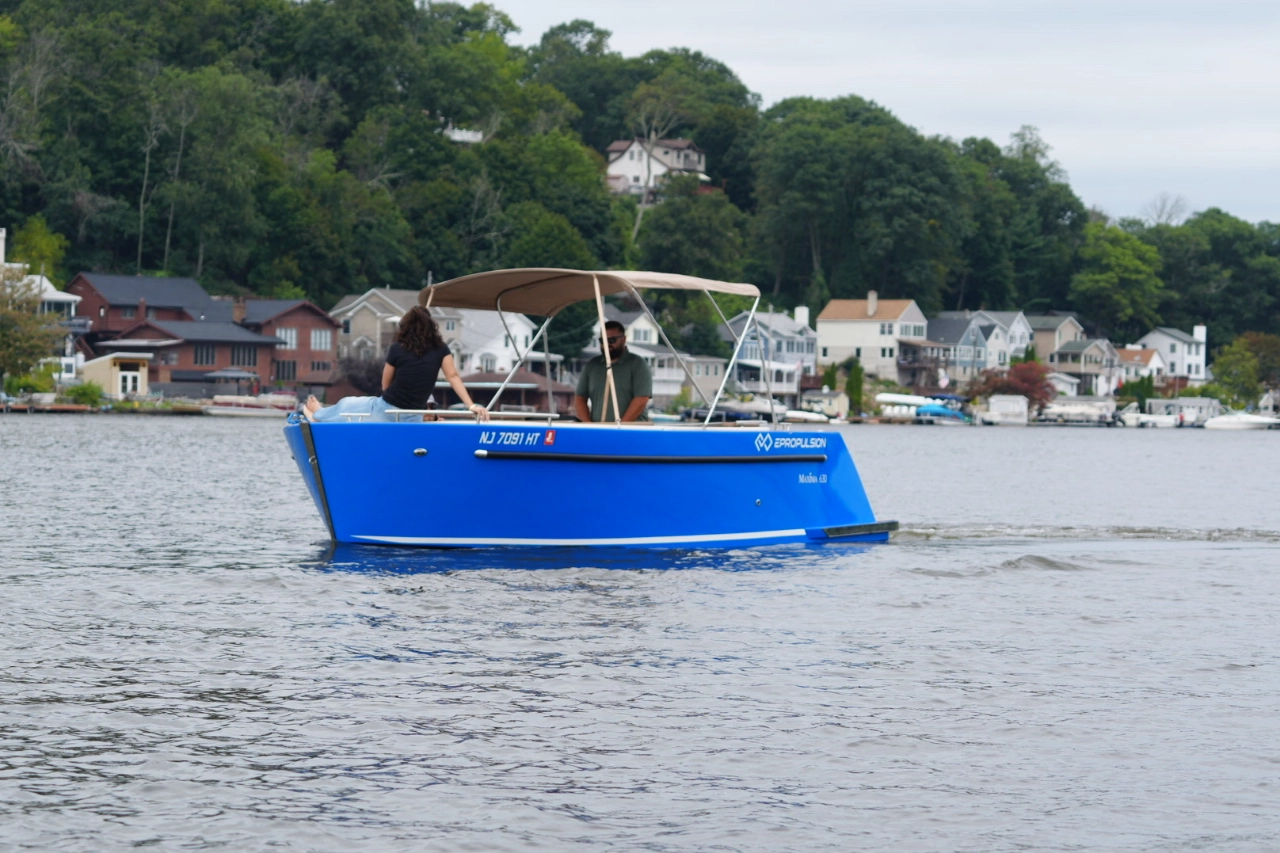
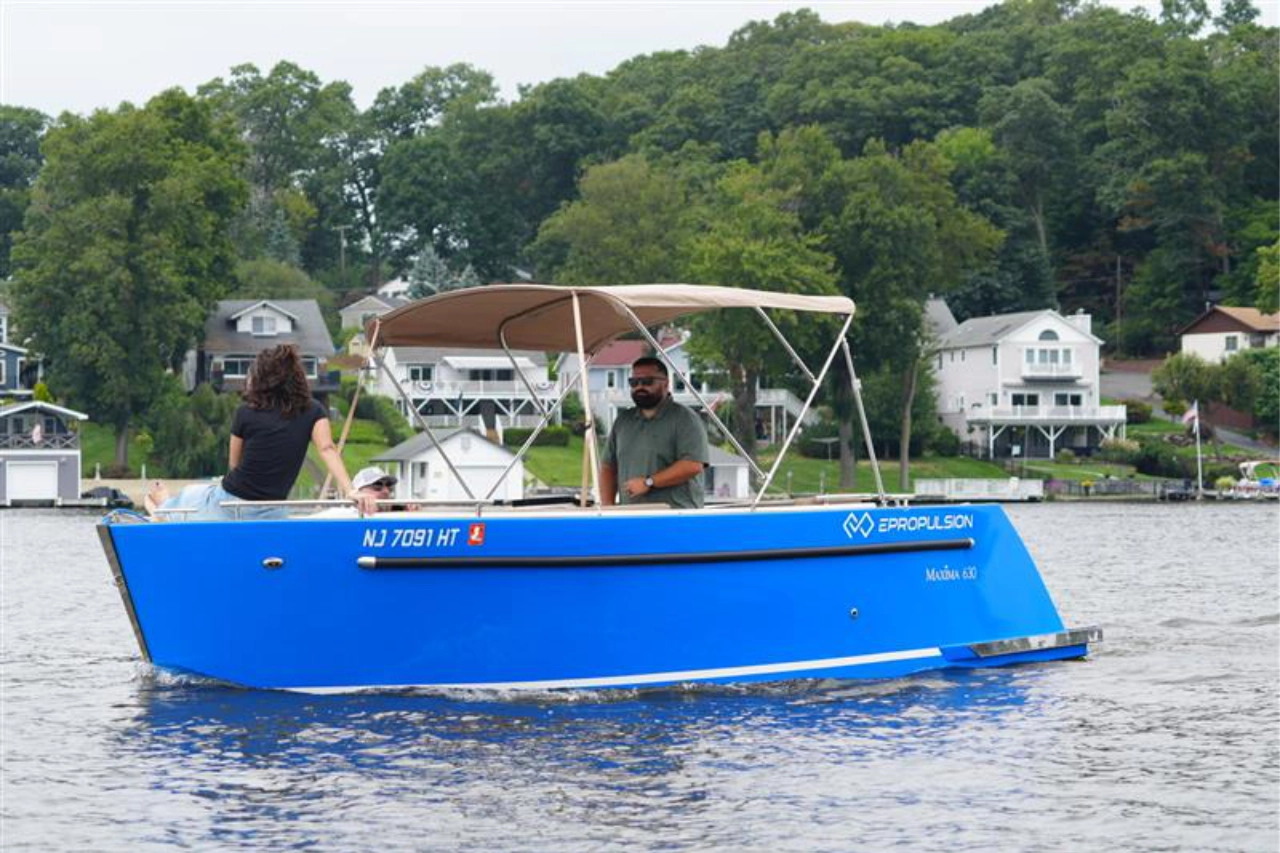
Maxima 630 (2024) - a compact electric boat with an X20 motor
Technical specification:
| Model: | Maxima 630 (2024) |
| Length: | 6.10 m |
| Beam: | 2.30 m |
| Draft: | 0.40 m |
| Hull type: | Displacement |
| Configuration: | Monohull |
| Hull weight: | 840 kg |
| Motor: | 79 kg |
| Batteries: | 198 kg |
| Total weight (with 2 people): | approx. 1344 kg |
ePropulsion drive system:
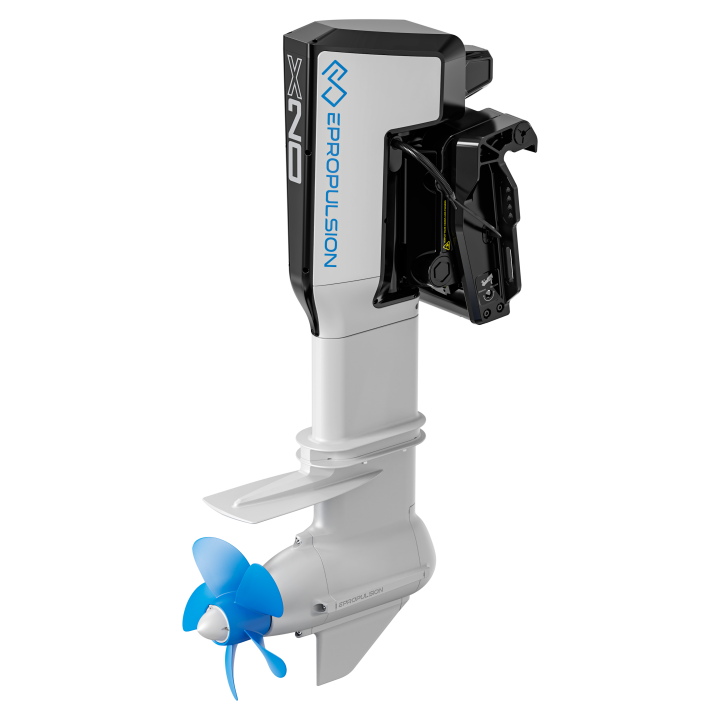
Motor: X20 - Electric outboard motor - L shaft
Total power: 20.0 kW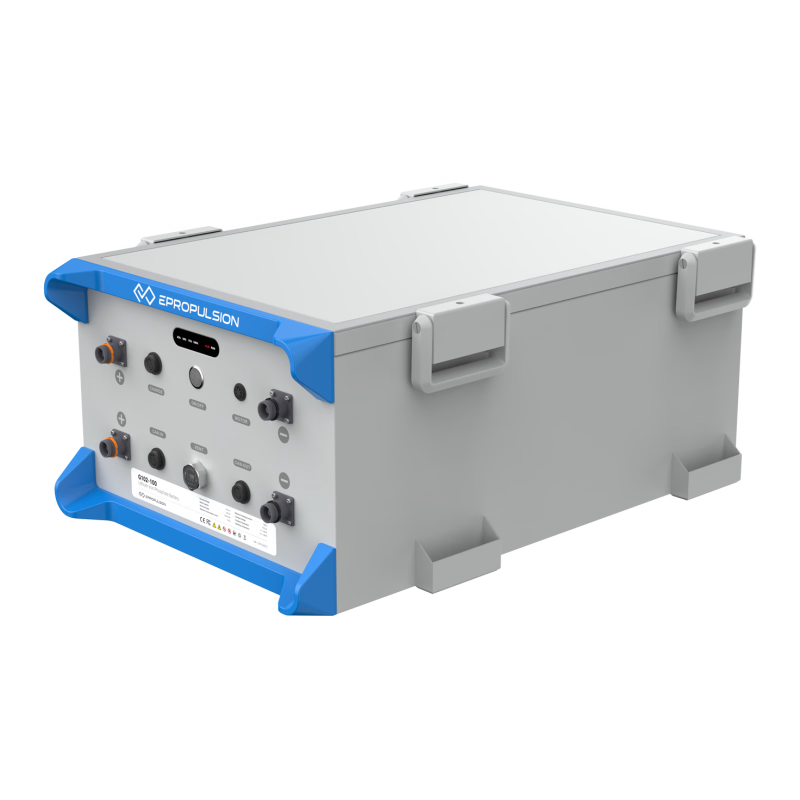
Batteries: 2x G102-100 - 96V 10240Wh
Total capacity: 20.5 kWh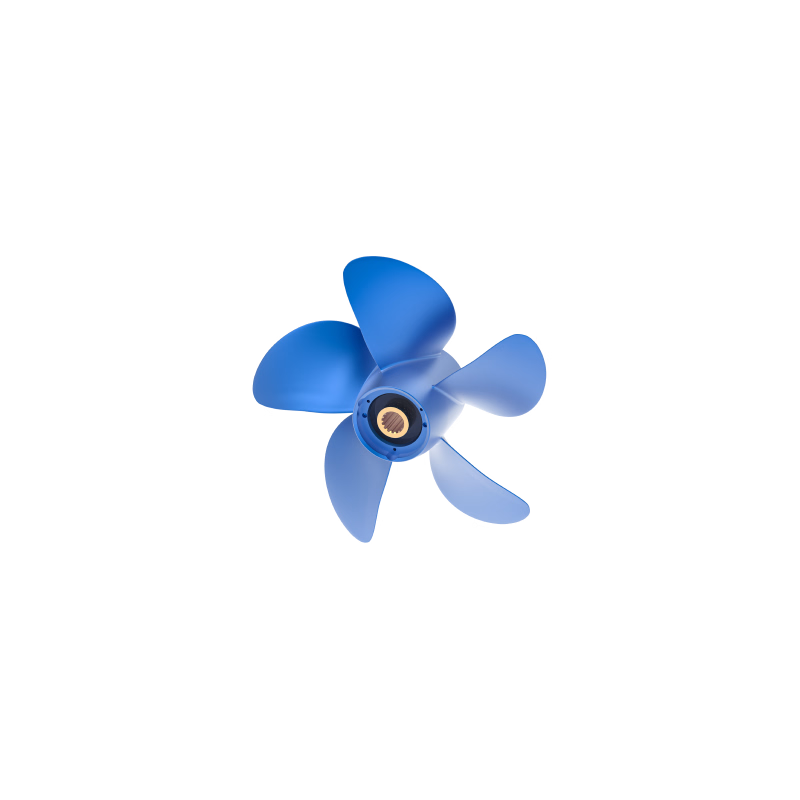
Propeller: X20/X40 Propeller
13⅜" × 16¾" RH (340mm × 425mm)Performance and range:
Maximum speed
16.9 km/h
Economical speed
7.4 km/h
Estimated range
17-75 km
Performance test results:
Tester: Alex Talochino
People on board: 2 (227 kg)
How did this boat perform?
| Power | Speed | Running time | Range |
|---|---|---|---|
| 2 kW | 7.4 km/h | 10h | 75 km |
| 5 kW | 9.7 km/h | 4h | 39 km |
| 10 kW | 11.3 km/h | 2h | 23 km |
| 20 kW | 16.9 km/h | 1h | 17 km |
Summary:
Most people cruise recreationally at a speed of 8-10 km/h, which in this case means 4-5 hours of cruising on two batteries.
This is exactly the scenario:
- you leave the marina,
- you cruise to another spot,
- you drop anchor,
- you return.
And the electric system is designed for this kind of use.
The data comes from manufacturer tests and should be treated as approximate values, because the actual range depends on many factors (boat weight, weather conditions, hull condition, load).
Boston Whaler 13 (1960) - Real-world test data
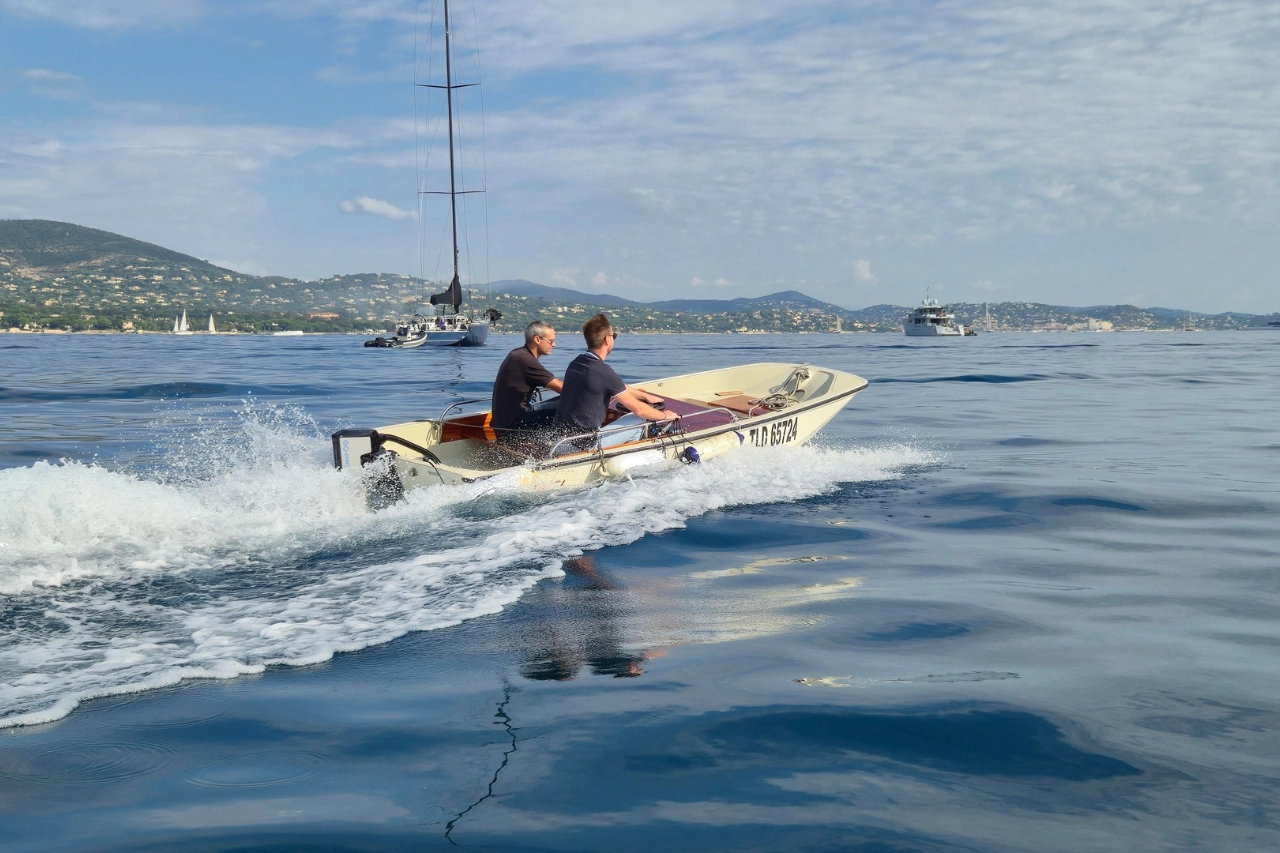
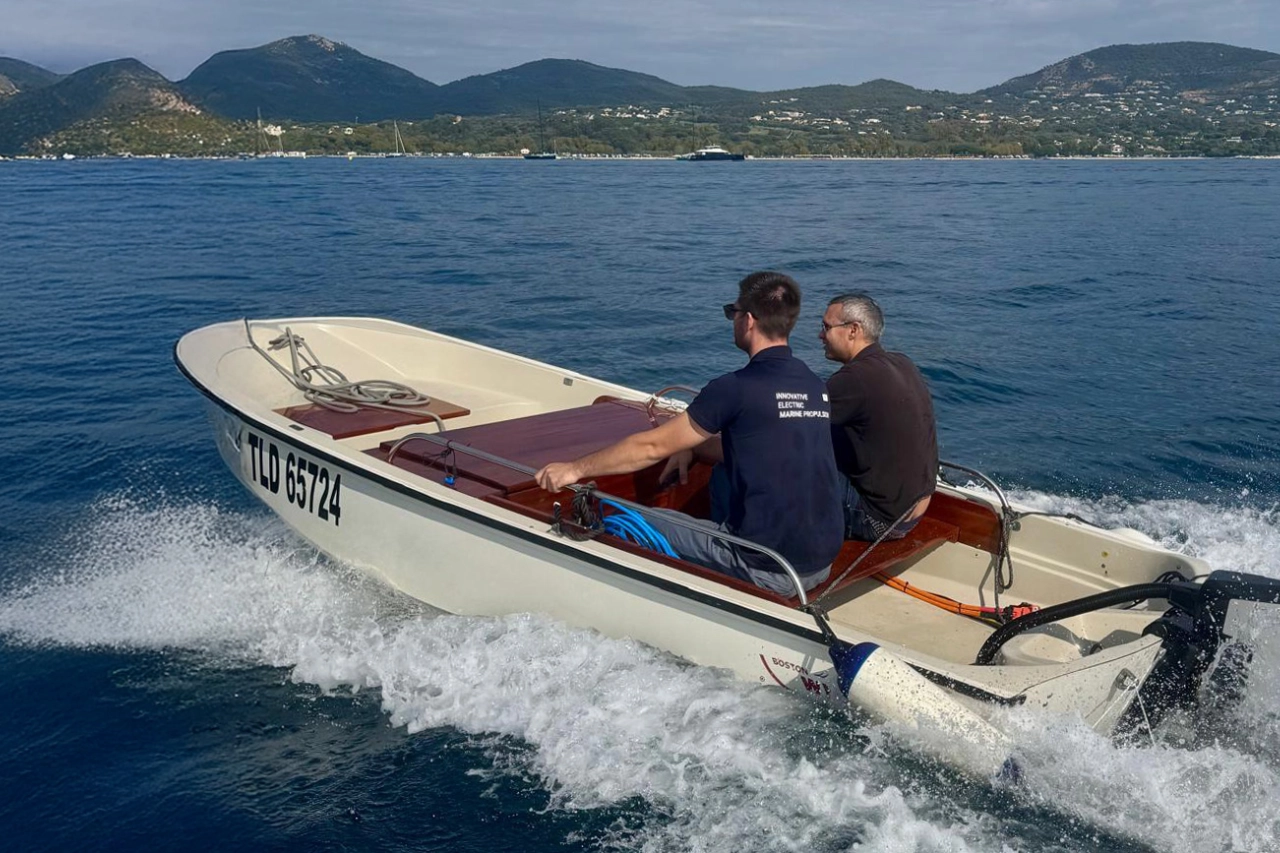
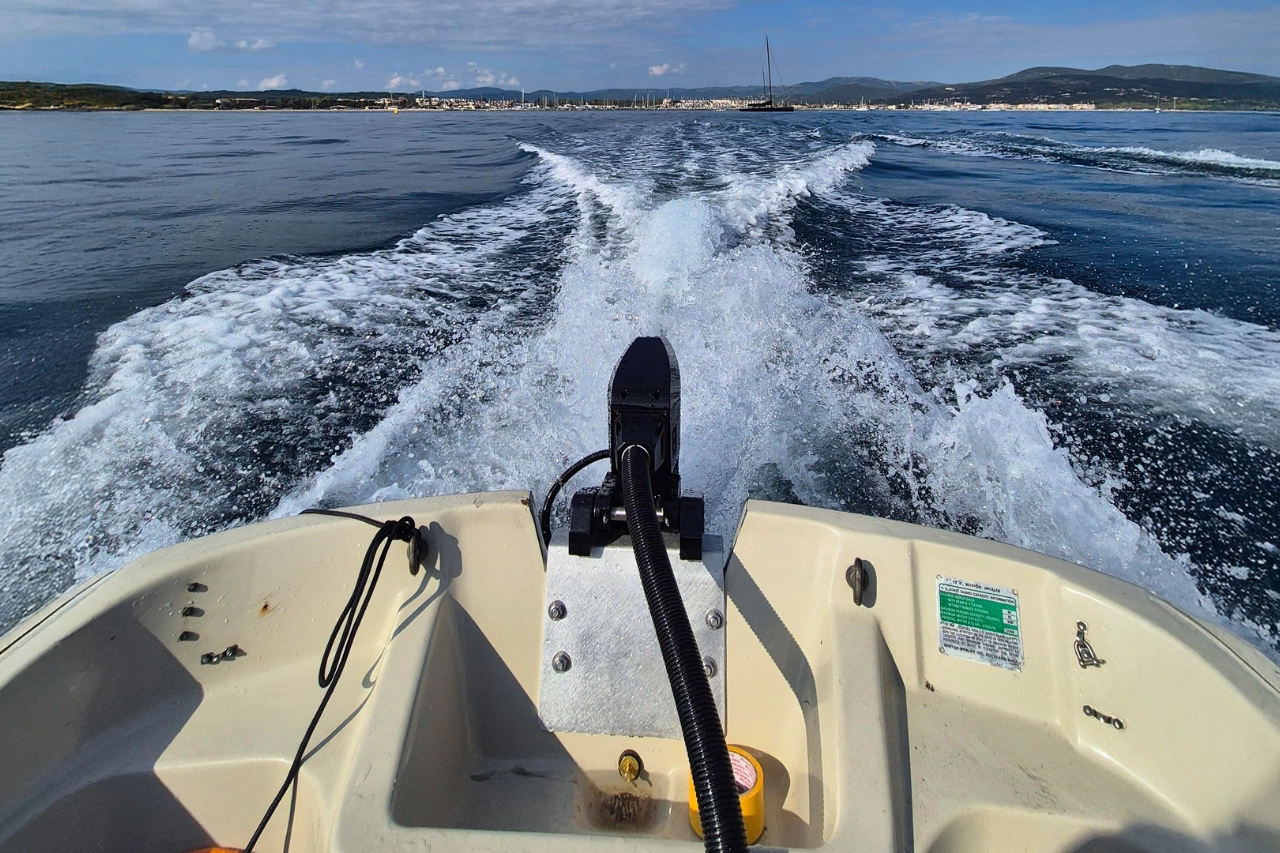
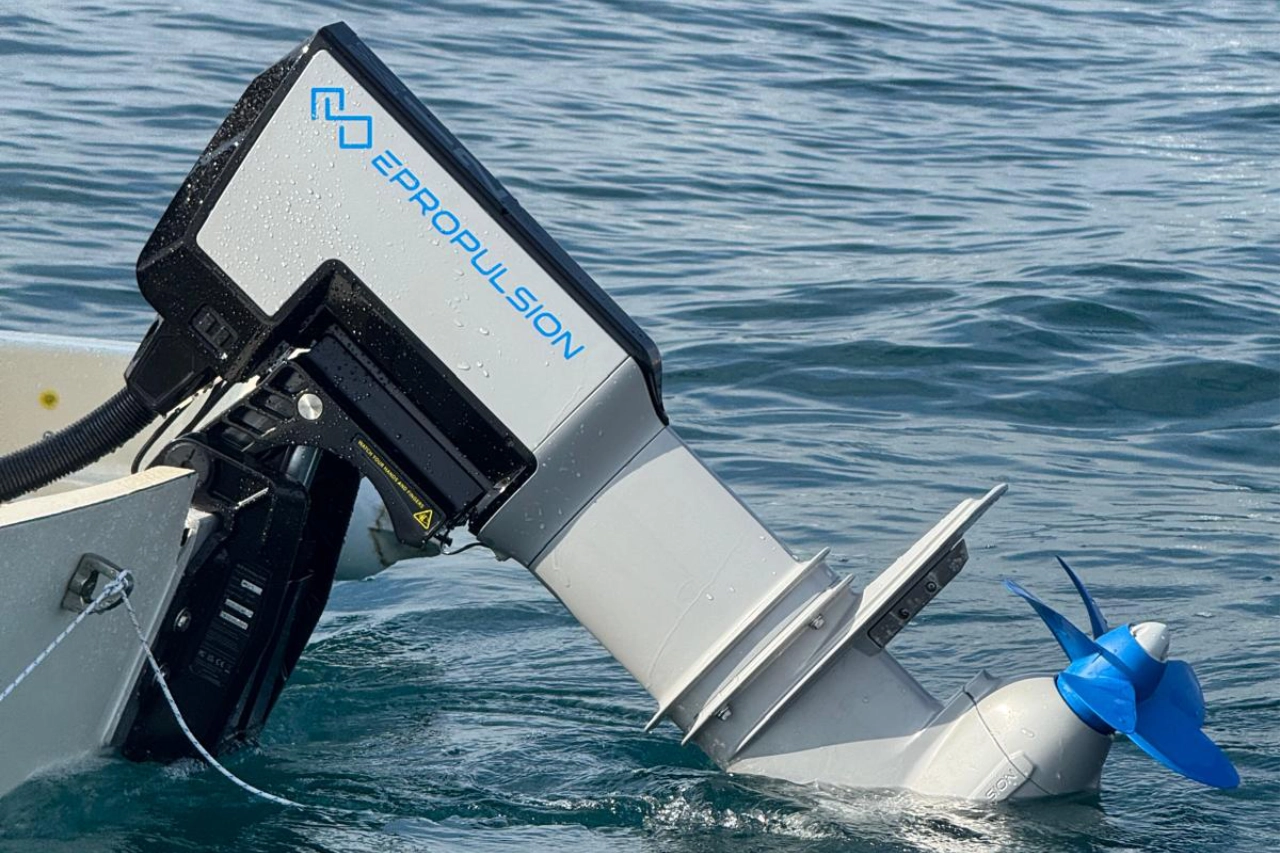
Boston Whaler 13 (1960) - a smaller electric boat with an X12 motor
Technical specification:
| Model: | Boston Whaler 13 (1960) |
| Length: | 4.06 m |
| Beam: | 1.65 m |
| Draft: | 0.20 m |
| Hull type: | Planing |
| Configuration: | Monohull |
| Hull weight: | 125 kg |
| Motor: | 48 kg |
| Batteries: | 99 kg |
| Total weight (with 2 people): | approx. 347 kg |
ePropulsion drive system:
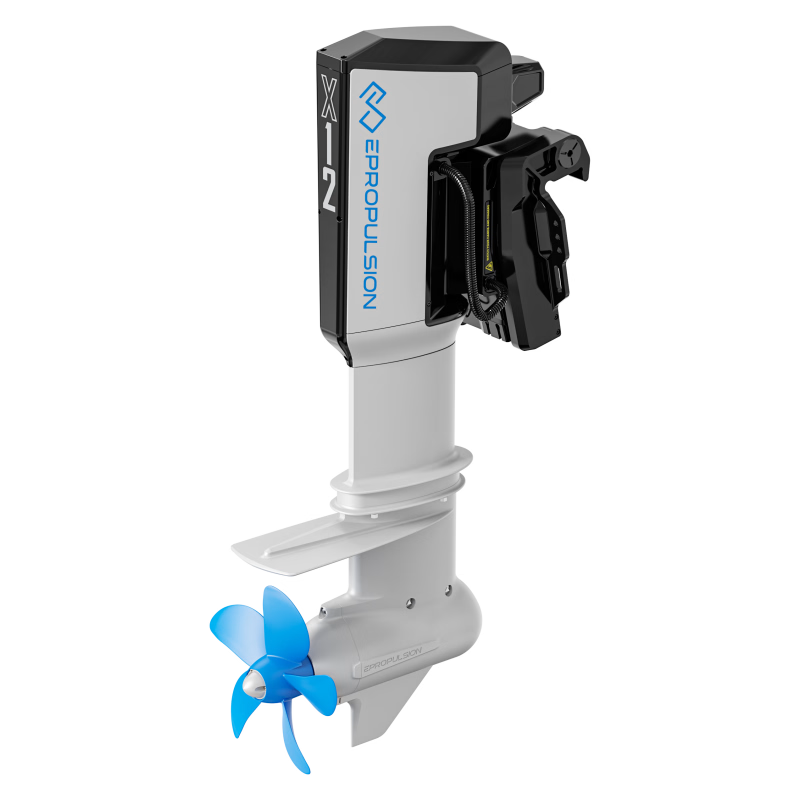
Motor: X12 - Electric outboard motor - S shaft
Total power: 12.0 kWBatteries: 1x G102-100 - 96V 10240Wh
Total capacity: 10.2 kWh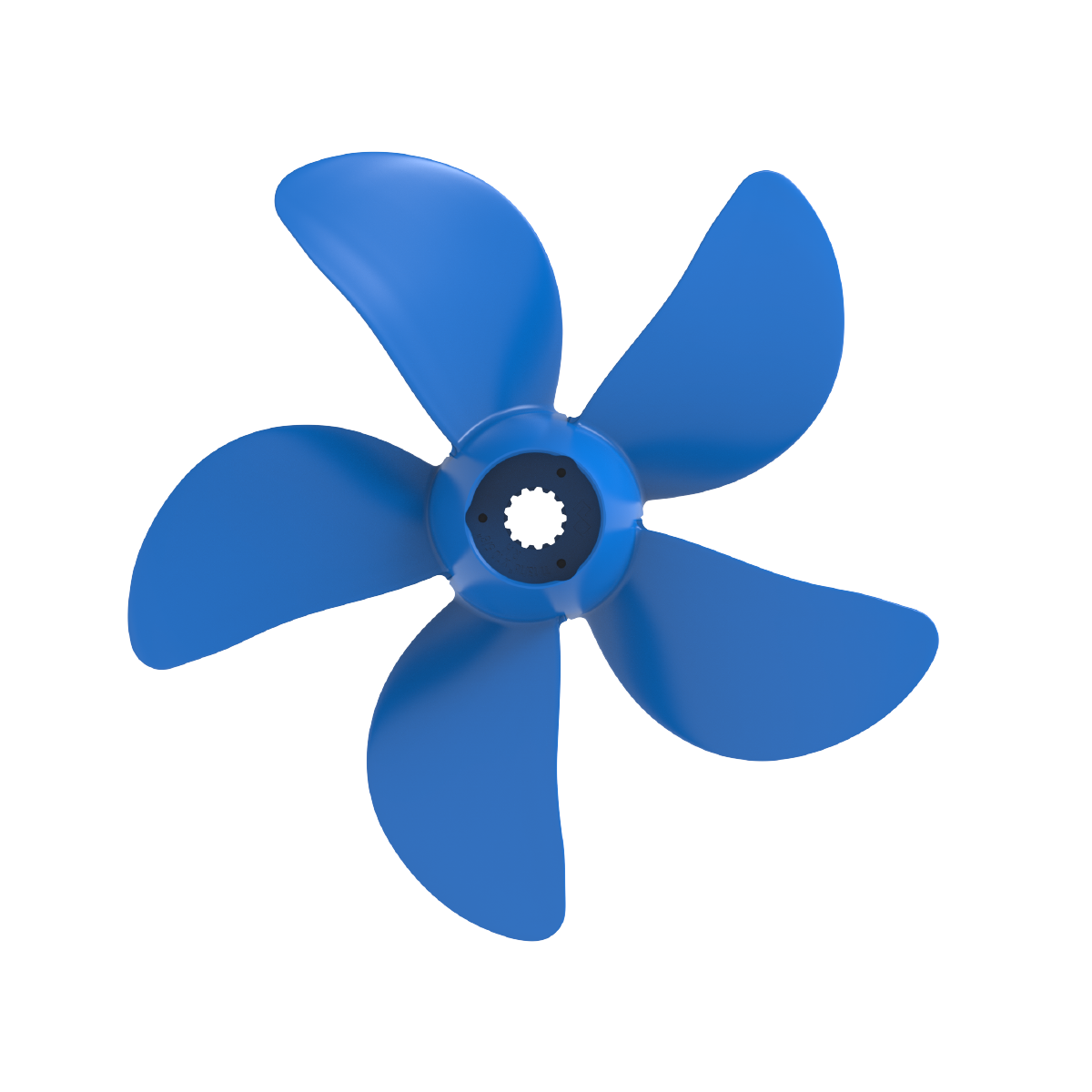
Propeller: X12/P12 Propeller
11¹³⁄₁₆" × 10⅝" RH (300mm × 270mm)Performance and range:
Maximum speed
15.7 km/h
Economical speed
6.5 km/h
Estimated range
13-66 km
Performance test results:
Tester: Clement Nard
People on board: 2 x (75 kg)
Temperature: 22°C
Weather conditions: Good
How did this boat perform?
| Power | Speed | Running time | Range |
|---|---|---|---|
| 1 kW | 6.5 km/h | 10h | 66 km |
| 2 kW | 8.9 km/h | 5h | 45 km |
| 4 kW | 10 km/h | 2.5h | 25 km |
| 10 kW | 13 km/h | 1h | 13 km |
This perfectly illustrates one thing:
A small and light boat can cruise all day on a single battery.
Prins 555 Open (2023) - Real-world test data
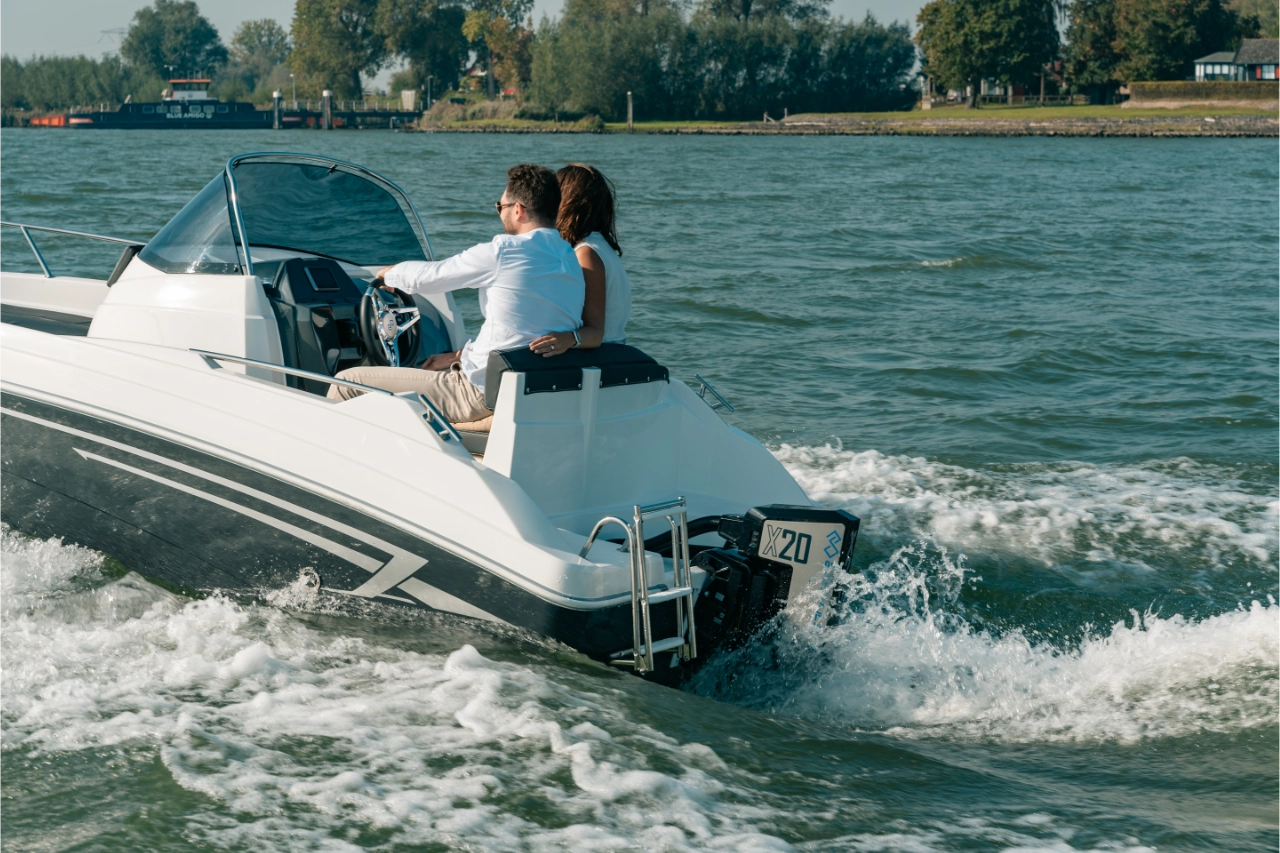
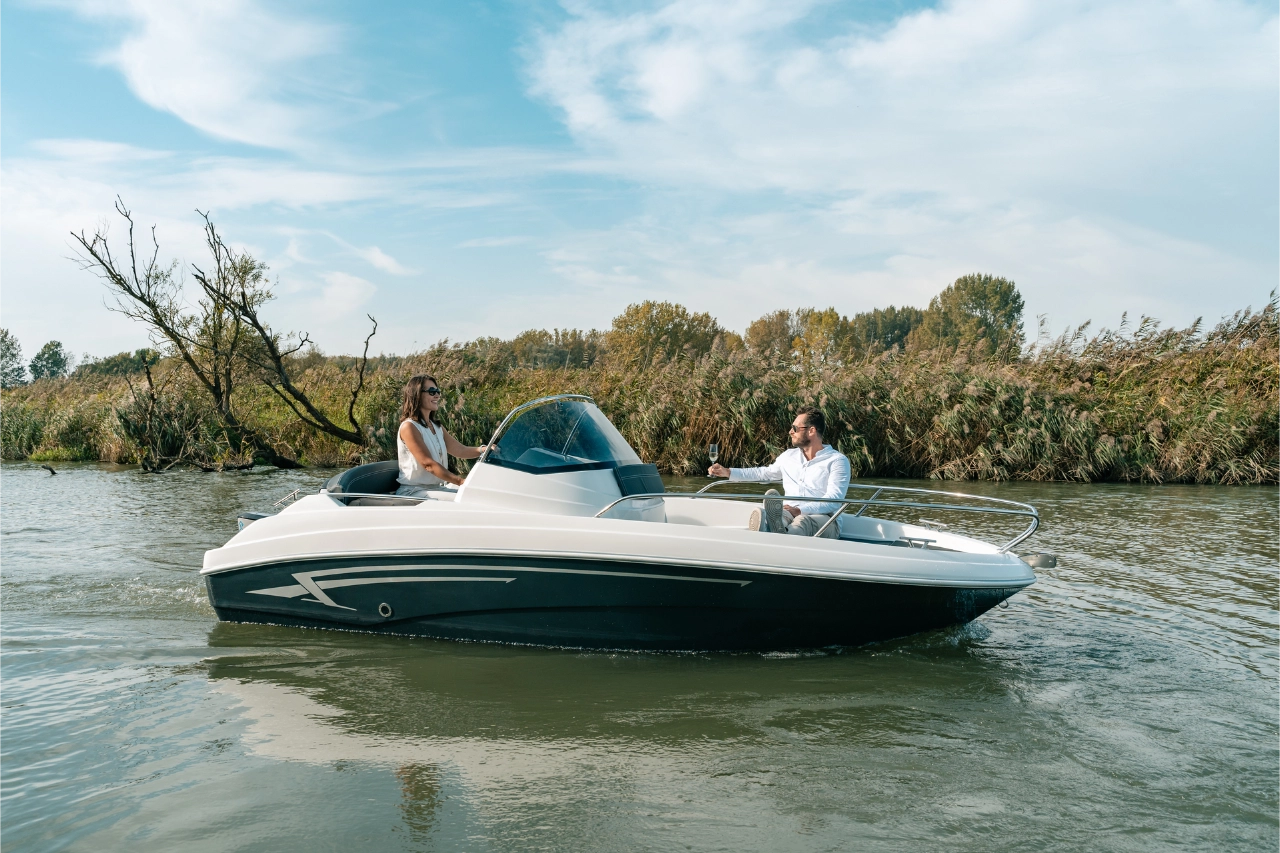
Prins 555 Open (2023) - a typical 5-6 meter recreational boat with an X20 motor
Technical specification:
| Model: | Prins 555 Open (2023) |
| Length: | 5.55 m |
| Beam: | 2.30 m |
| Draft: | 0.40 m |
| Hull type: | Displacement |
| Configuration: | Monohull |
| Hull weight: | 600 kg |
| Motor: | 79 kg |
| Batteries: | 198 kg |
| Total weight (with 3 people): | approx. 1087 kg |
ePropulsion drive system:

Motor: X20 - Electric outboard motor - L shaft
Total power: 20.0 kWBatteries: 2x G102-100 - 96V 10240Wh
Total capacity: 20.5 kWhPropeller: X20/X40 Propeller
13⅜" × 16¾" RH (340mm × 425mm)Performance and range:
Maximum speed
16.1 km/h
Economical speed
8.5 km/h
Estimated range
16-35 km
Performance test results:
Tester: Mike Wang
People on board: 3 (210 kg)
Temperature: 15°C
Weather conditions: Small waves
How did this boat perform?
| Power | Speed | Running time | Range |
|---|---|---|---|
| 5 kW | 8.5 km/h | 4h 06m | 34.9 km |
| 10 kW | 11.0 km/h | 2h 03m | 22.6 km |
| 15 kW | 12.4 km/h | 1h 22m | 17.0 km |
| 20 kW | 16.1 km/h | 1h 01m | 16.4 km |
So again - at recreational speed you have about 3-4 hours of real cruising.
Jeanneau Merry Fisher 695 (2025) - Real-world test data
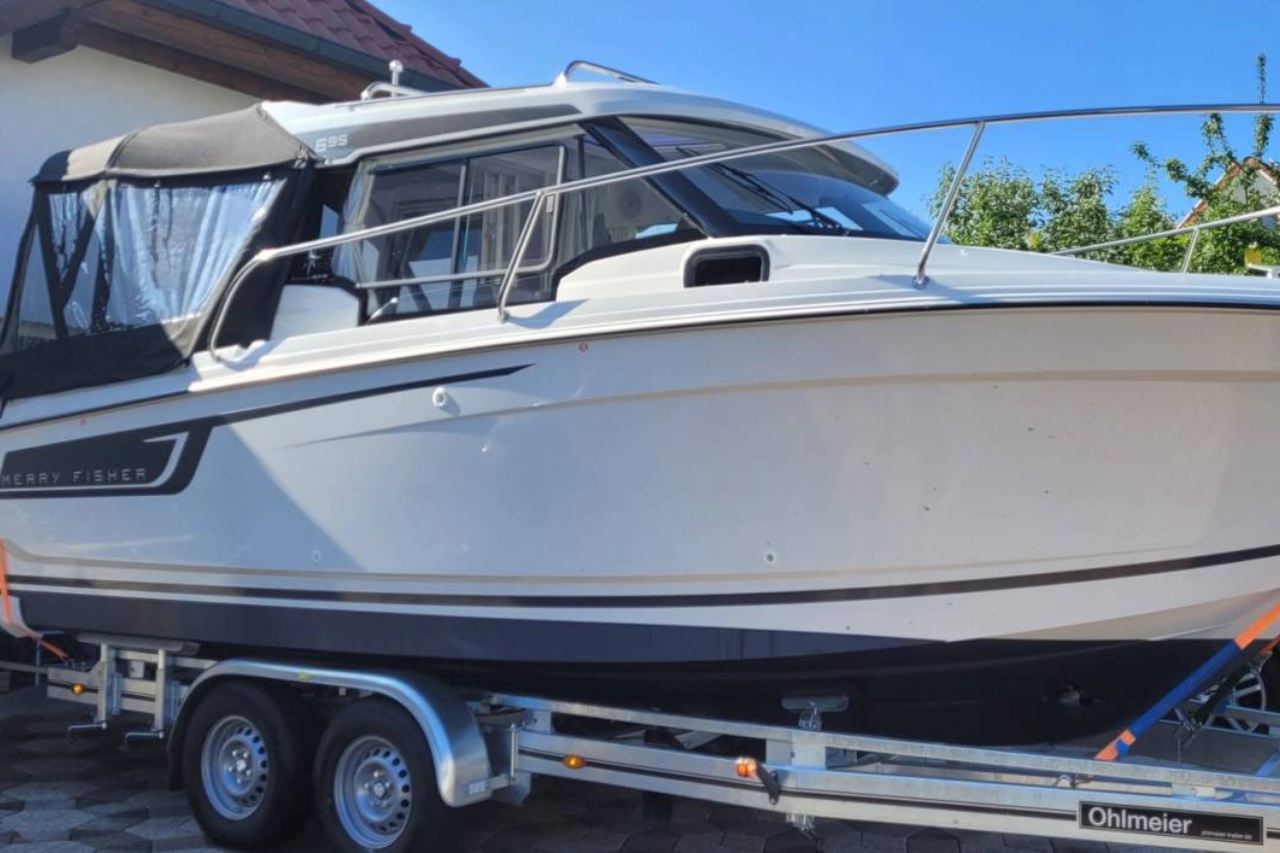
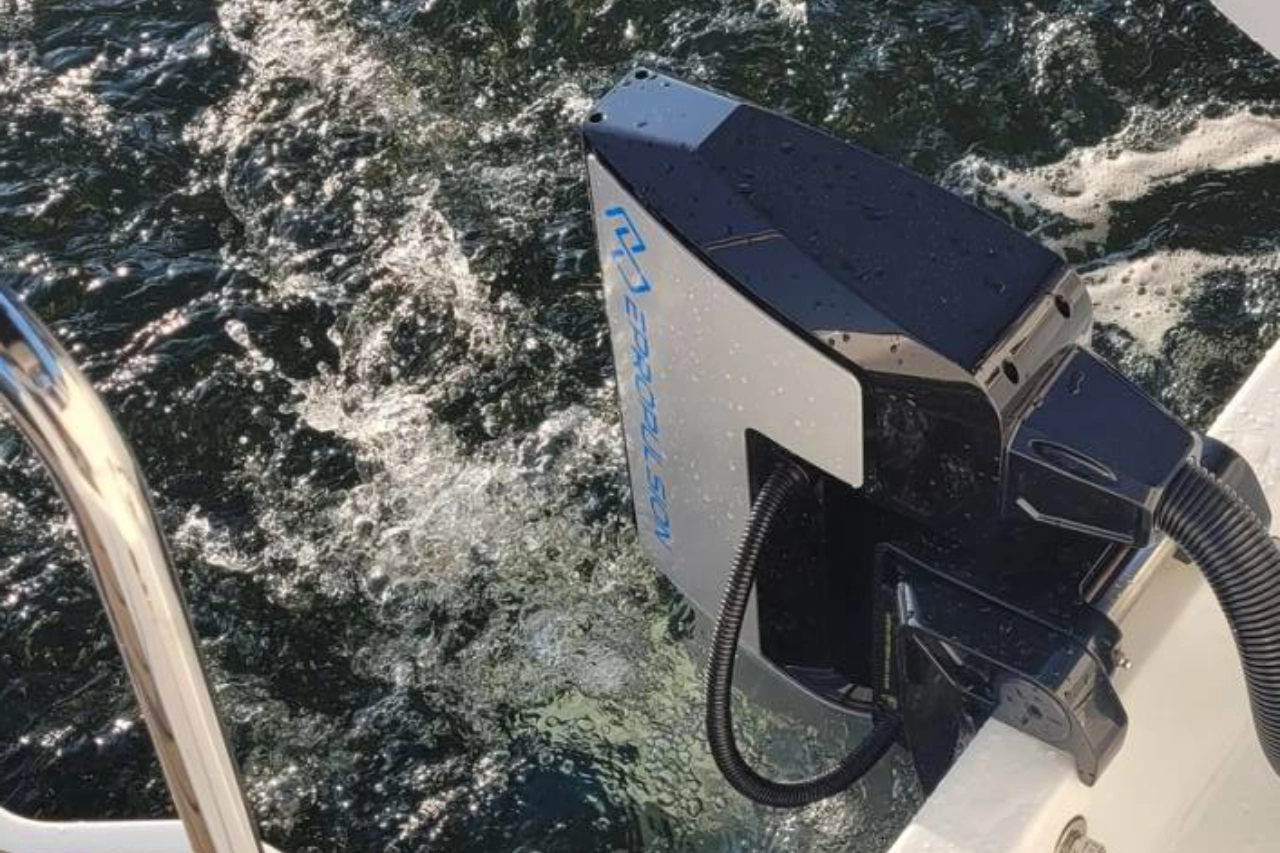
Jeanneau Merry Fisher 695 (2025) - a heavy cabin cruiser with an X12 motor
Technical specification:
| Model: | Jeanneau Merry Fisher 695 (2025) |
| Length (LOA): | 6.55 m |
| Waterline length (LWL): | 6.45 m |
| Beam: | 2.54 m |
| Draft: | 0.46 m |
| Hull type: | Planing |
| Configuration: | Monohull |
| Hull weight: | 1400 kg |
| Motor: | 50 kg |
| Batteries: | 99 kg |
| Total weight: | approx. 1629 kg |
ePropulsion drive system:
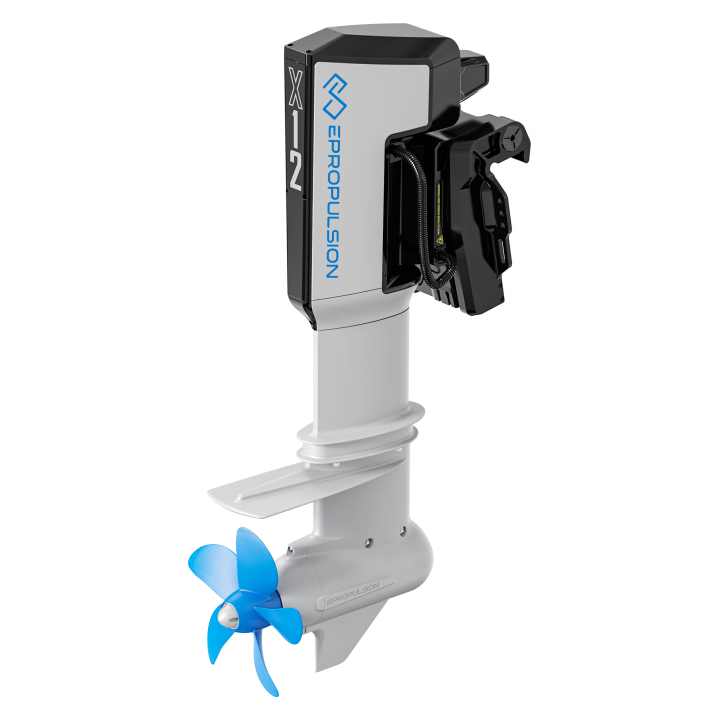
Motor: X12 - Electric outboard motor - L shaft
Total power: 12.0 kWBatteries: 1x G102-100 - 96V 10240Wh
Total capacity: 10.2 kWhPropeller: X12/P12 Propeller
11¹³⁄₁₆" × 10⅝" RH (300mm × 270mm)Performance and range:
Maximum speed
12.0 km/h
Economical speed
7.4 km/h
Estimated range
10-76 km
Performance test results:
Tester: Soren Hunwardsen
People on board: 1 (80 kg)
Temperature: 16°C
How did this boat perform?
| Power | Speed | Running time | Range |
|---|---|---|---|
| 1 kW | 7.4 km/h | 10h | 76 km |
| 2 kW | 8.3 km/h | 5h | 42 km |
| 3 kW | 9.1 km/h | 3h 25m | 30 km |
| 5 kW | 10.1 km/h | 2h | 20 km |
| 10 kW | 11.8 km/h | 1h | 12 km |
Data comes from manufacturer tests and are approximate values - actual results depend on conditions and boat load.
FAQ - frequently asked questions
Need help choosing the right battery for your boat?
As Globtechnic, we offer comprehensive support in selecting the appropriate system. If you are interested in our offer or would like additional information, please feel free to contact us.
Contact us – our experts will help you choose the optimal system tailored to your needs and budget.