
How to prepare electric motors and batteries for winter?
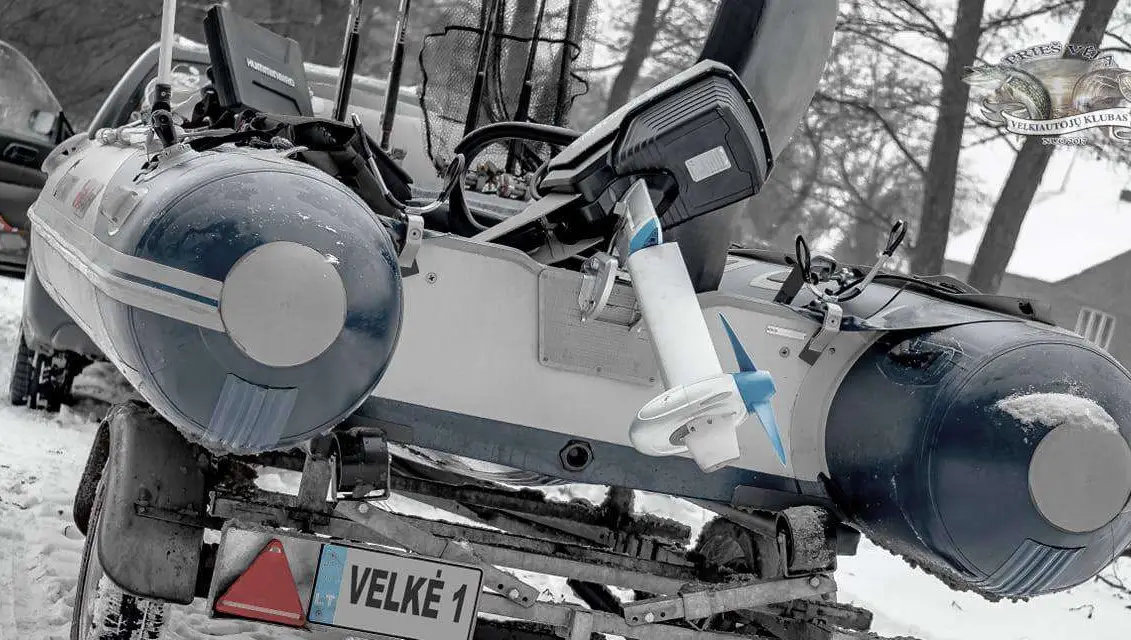
The end of the sailing season is the perfect time to take care of your vessel's electric propulsion and batteries. Proper winter preparation ensures the system stays fully operational, extends battery life, and helps you avoid unpleasant surprises when starting up next season.
In this guide, we present step-by-step instructions on how to properly winterize ePropulsion electric motors and lithium batteries – both compact portable units and advanced 96 V systems.

Key Winterization Rules – Quick Summary
For winter, disconnect the motor, clean and protect connectors, and store ePropulsion LiFePO₄ batteries at 15–25 °C with a charge level of 45–60%. Check their condition every 3 months and recharge according to the manufacturer's instructions.
Warning: Never charge below 0 °C or use below −10 °C – this can cause permanent cell damage and capacity loss. [according to official ePropulsion guidelines for LiFePO₄ batteries]
Why Is Winter Preparation So Important?
Although electric propulsion systems don't require oil changes, filters, or fuel management , they still need protection against:
- moisture and condensation – corrosion of connectors and electronics
- large temperature fluctuations – degradation of lithium cells
- deep discharge of batteries – capacity loss, BMS wake-up difficulties
Without proper winter preparation, you may encounter: battery capacity loss, damaged motor electronics, reduced efficiency, or spring start-up problems.
Guide Scope – Which Models Are Covered?
| Category | Models | Characteristics |
|---|---|---|
| Portable motors | ePropulsion Spirit 1.0 , ePropulsion eLite | 1 kW, integrated or E-Series batteries, ideal for small vessels |
| Mid-range motors | ePropulsion Navy 6.0 Evo , ePropulsion Navy 3.0 Evo | 3–6 kW, hydrogeneration capability, E-Series batteries |
| High-performance motors (96 V) | ePropulsion X Series (outboard), ePropulsion I Series (inboard) | 10–40 kW, eSSA integration, G-Series batteries, advanced BMS |
| Batteries | ePropulsion G-Series batteries (96 V), ePropulsion E-Series batteries (48 V) | LiFePO₄, capacity 2-23kWh, intelligent BMS |
How to Prepare ePropulsion Electric Motors for Winter?
Below we present detailed winterization procedures for different motor types – from the simplest portable models to advanced 96 V systems.
Portable Motors – ePropulsion Spirit and eLite
For lightweight portable units such as ePropulsion Spirit 1.0 or ePropulsion eLite , the preparation process is simpler, yet still essential.
Winterization Procedure:
- Flush the motor with fresh water – especially after use in salt or contaminated water. Remove deposits, salts, and dirt.
- Thoroughly dry – leave in vertical position, allow water to drain, dry all accessible components with a soft cloth.
- Disconnect batteries – disconnect all cables and protect connectors (protective caps, dielectric spray).
- Protect mechanics – check the mount, propeller, mounting hardware; fix any damage, apply a protective layer on the propeller (if recommended by manufacturer).
- Store in a dry room – positive temperature 5–25 °C , avoid frost and high humidity (relative humidity < 75%).
Mid-Range Motors – ePropulsion Navy
ePropulsion Navy 3.0 EVO and Navy 6.0 EVO motors offer higher power output (3–6 kW, equivalent to 6–9.9 HP) and hydrogeneration capability.
Winterization Recommendations:
- Switch off motor and disconnect battery – disconnect all power and communication cables (CAN/RS485 if applicable).
- Flush and thoroughly dry – especially if used in salt water. Remove salt, deposits, algae; dry the surface and accessible chambers.
- Check IP rating and seals – ensure seals are not damaged; replace if necessary. [Navy Series offers high IP rating, but regular inspection extends lifespan]
- Protect connectors – apply dielectric spray to electrical and communication connectors; install protective caps.
- Storage position – store in a position that doesn't load the drive shaft (vertical or in special mount).
- Storage conditions – dry room, temperature stable 10–20 °C , relative humidity < 75%, good ventilation.
High-Performance Motors – ePropulsion X Series and I Series (96 V systems)
These advanced systems, designed for larger vessels, require more careful attention. X Series (outboard) and I Series (inboard) feature power ratings of 10–40 kW , eSSA (Smart System Architecture) integration, and ePropulsion G-Series batteries (96 V).
96 V System Winterization Procedure:
- Shut down main system – disconnect all G-Series batteries, disconnect high-voltage (HV) cables, secure main connectors.
- Flush external motor components – remove deposits, rinse with fresh water, thoroughly dry all surfaces.
- Mechanical inspection – check mounts, propeller, column components (if X Series outboard), seal and O-ring condition.
- Electronics protection – secure communication cables (CAN bus), control modules (controllers), BMS connectors. Apply dielectric spray, install caps.
- Is the vessel wintering in water? – if the boat stays in water through winter, consult with authorized ePropulsion service regarding mounting conditions, motor access, possible HV system disconnection, and anti-freeze procedures (if applicable).
- Storage conditions – store motor or boat in a position that doesn't load the motor column; dry room, 15–25 °C , humidity < 75%, good ventilation. [according to ePropulsion guidelines for 96 V systems]
How to Prepare ePropulsion Batteries for Winter?
Proper winterization of lithium (LiFePO₄) batteries is a key element in maintaining their performance and longevity. Below you'll find detailed guidelines for different ePropulsion battery series.
ePropulsion G-Series Batteries (96 V systems)
Batteries such as G102-100 and G102-230 (LiFePO₄, 96 V) used in larger ePropulsion X Series and I Series systems require special treatment.
G-Series Battery Winterization Recommendations:
- Set charge level (SoC) to 45–60% before long-term storage. [official ePropulsion recommendation for LiFePO₄ storage]
- Disconnect all cables – disconnect power and communication cables (CAN), secure connectors.
- Storage conditions:
- Temperature: 15–25 °C (optimal ~20 °C)
- Relative humidity: < 75%
- Avoid exposure to UV rays, heat sources, moisture
- Inspection and recharging schedule:
- Check state of charge (SoC) every ~3 months
- If SoC drops below 40%, recharge to 50–60%
- Use only original ePropulsion charger
- Operating limits:
- Charging: 0–55 °C (never charge below 0 °C!)
- Discharging: −10–60 °C
- Storage: −20–60 °C (optimal 15–25 °C)
- Before restart – in spring fully charge the battery, perform BMS test, check for firmware updates if available.
???? ePropulsion Battery Recharging Schedule Through Winter
ePropulsion E-Series Batteries (48 V, for smaller motors)
E60 , E80 , and E163 batteries are lighter solutions for smaller vessels with ePropulsion Navy and ePropulsion Spirit motors.
E-Series Battery Winterization Recommendations:
- Charge to approximately 50–60% before storage. [recommendation for LiFePO₄ 48 V]
- Disconnect cables – secure connectors with protective caps.
- Storage conditions:
- Temperature: 10–25 °C
- Relative humidity: < 75%
- Avoid exposure to UV rays or moisture
- Inspection schedule: Every few months (2–3 months) check condition and recharge if SoC drops below 40%.
- Before season: Full charge, performance test (short trial run).
Additional Tips and Best Practices
Clean contacts and connectors
Salt and dirt accelerate corrosion. Regularly clean power connectors, communication interfaces (CAN/RS485), charging ports. Apply dielectric spray or anti-corrosion agent.
Ventilation and condensation
If the boat winters under a tarp or in a hall – ensure good ventilation and avoid moisture condensation. Use moisture absorbers in battery and electronics compartments.
Start-up test before the season
Before the next season, perform a motor start-up test, full battery charge, check BMS communication and onboard display. Ensure all systems function properly.
Firmware updates
If the manufacturer has released firmware updates for the controller or BMS, install them before start-up. They improve performance and eliminate bugs.
Keep documentation
Take photos of the motor and battery condition before winterization and after spring inspection. Note any service remarks, inspection dates, SoC levels. This helps with diagnostics and maintaining warranty coverage.
Common Mistakes and How to Avoid Them
The table below shows typical post-winter problems and their solutions:
| Error / Symptom | Cause | Solution |
|---|---|---|
| Battery SoC dropped below 20% after winter | Lack of monitoring and recharging during storage | Recharge with original ePropulsion charger to 60% and monitor for 24h. If BMS doesn't wake up – contact service. [deep discharge may require "deep sleep recovery" procedure] |
| No motor response during spring test | Disconnected cables, communication error, low SoC | Check CAN/RS485 connections, charge battery to 50%, perform BMS reset according to instructions. Check error messages on display. |
| Condensation in compartment after washing | Insufficient drying, storage in humid location | Dry the compartment with covers open, use moisture absorbers, wait at least 24h before restart. Check seal and IP rating condition. |
| Corrosion on connectors / contacts | Lack of protection, storage in humid / salt environment | Clean connectors with anti-corrosion agent, apply dielectric spray, install new protective caps. Replace damaged cables. |
| Battery won't accept charge after winter | Charging below 0 °C, BMS damage, deep discharge | NEVER charge below 0 °C! Move battery to warm room (15–20 °C), wait 2–4h, try again. If problem persists – contact authorized ePropulsion service . |
FAQ – Frequently Asked Questions About ePropulsion Winterization
Summary
Whether you're using a portable ePropulsion Spirit or eLite , or a large 96 V ePropulsion X Series / I Series system – proper winter preparation is an investment in the longevity and reliability of your propulsion system.
This ensures:
- Equipment ready to operate in spring
- Extended battery life and avoided degradation
- Minimized risk of mechanical and electrical damage
- Full utilization of ePropulsion system power and benefits
Remember the key values: SoC 45–60%, storage temperature 15–25 °C, check every 3 months, never charge below 0 °C.
Need help preparing your ePropulsion system for winter?
Have questions about a specific model? Need technical support or service?
View all ePropulsion motors and batteries
Contact us – our experts will gladly help and advise on your specific case.
✍️ About the Author
Dominik Kolka – Logistics Engineer, in the marine industry for 10 years. Specializes in electric propulsion, battery systems, and integration of advanced technical solutions for recreational and commercial vessels.
Article prepared based on official ePropulsion guidelines, UN38.3 standards, and experience in maintenance and servicing of electric propulsion in marine and inland water conditions.