
Electric boat rental business - is it worth it and how do you go about it?
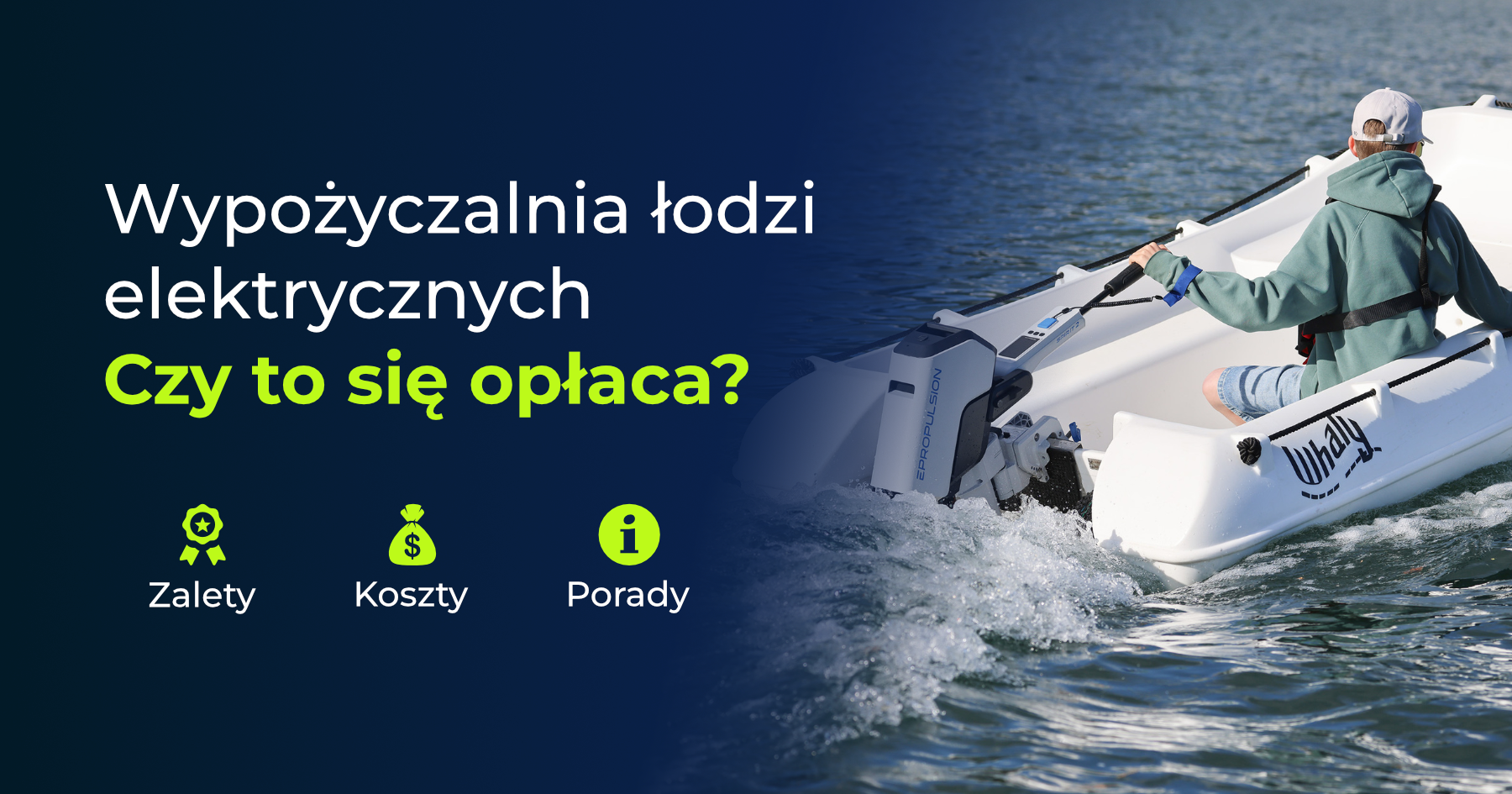
Water tourism is changing year after year. More and more people are looking for peace, a connection with nature, and simple attractions that don’t require a skipper’s license or any prior experience. At the same time, interest is growing in electric-powered boats, which are quiet, easy to operate, and significantly cheaper to run than fuel-powered vessels. This trend is visible both in Europe and in other markets, where electric recreational boats are becoming increasingly popular.
So, is an electric boat rental a good business idea? Based on our experience, yes - as long as you choose the right equipment and follow a well-thought-out operating model.

Is an electric boat rental a profitable business?
The short answer is: yes, but what matters is what happens between rentals, not just during them. An electric motor doesn’t generate revenue on its own - it does so through lower running costs per customer and the absence of the maintenance typically required for a combustion engine. You simply need to factor in charging time honestly as a genuine operational constraint, rather than ignoring it in your calculations.
Three real economic advantages of an electric fleet over a fuel-powered one:
- The “fuel” cost per customer is many times lower. Charging the battery costs a fraction of the price of gasoline or diesel for the same distance.
- Less service, less downtime. An electric motor has no oil to change, no filters, and no spark plugs - during the season, that means fewer days when the boat is in the workshop instead of earning revenue.
- A broader customer base. People who want to cruise in quiet zones and customers seeking an “eco” experience are a segment that a traditional fuel-powered rental simply can’t serve.
The downside is the higher entry cost (the motor + battery require a larger investment than a fuel engine of similar power) - which is why it’s crucial to choose an appropriate model for the specific type of boat in your offer, rather than buying “too much” or “just to save money.”
What are the biggest advantages of electric boats for a rental owner?
If we look purely from a business perspective, the list of benefits is really long. The most important ones are:
Lower operating costs
Electricity is many times cheaper than fuel, and the overall cost balance clearly favors an electric fleet.
Less service work
No oil changes, no filters, and no carburetor servicing means more time for boats on the water.
Easier operation
Customers without experience can operate the unit themselves - there are no complicated starting procedures.
Quiet operation
No noise from a fuel engine is a clear advantage for customers looking for a peaceful cruise.
No exhaust fumes or fuel odor
Zero emissions and no fuel smell increase customer comfort, especially for families with children.
A modern image
Water electromobility is a trend - a marketing angle that attracts customers who care about climate change.
Which electric motors work best in a rental fleet?
This is the question you need to start with - because choosing the wrong power is the most common mistake made by new electric rentals. Most often, a fleet is built based on the type of vessel and the customer profile (families, tourists, groups, anglers).
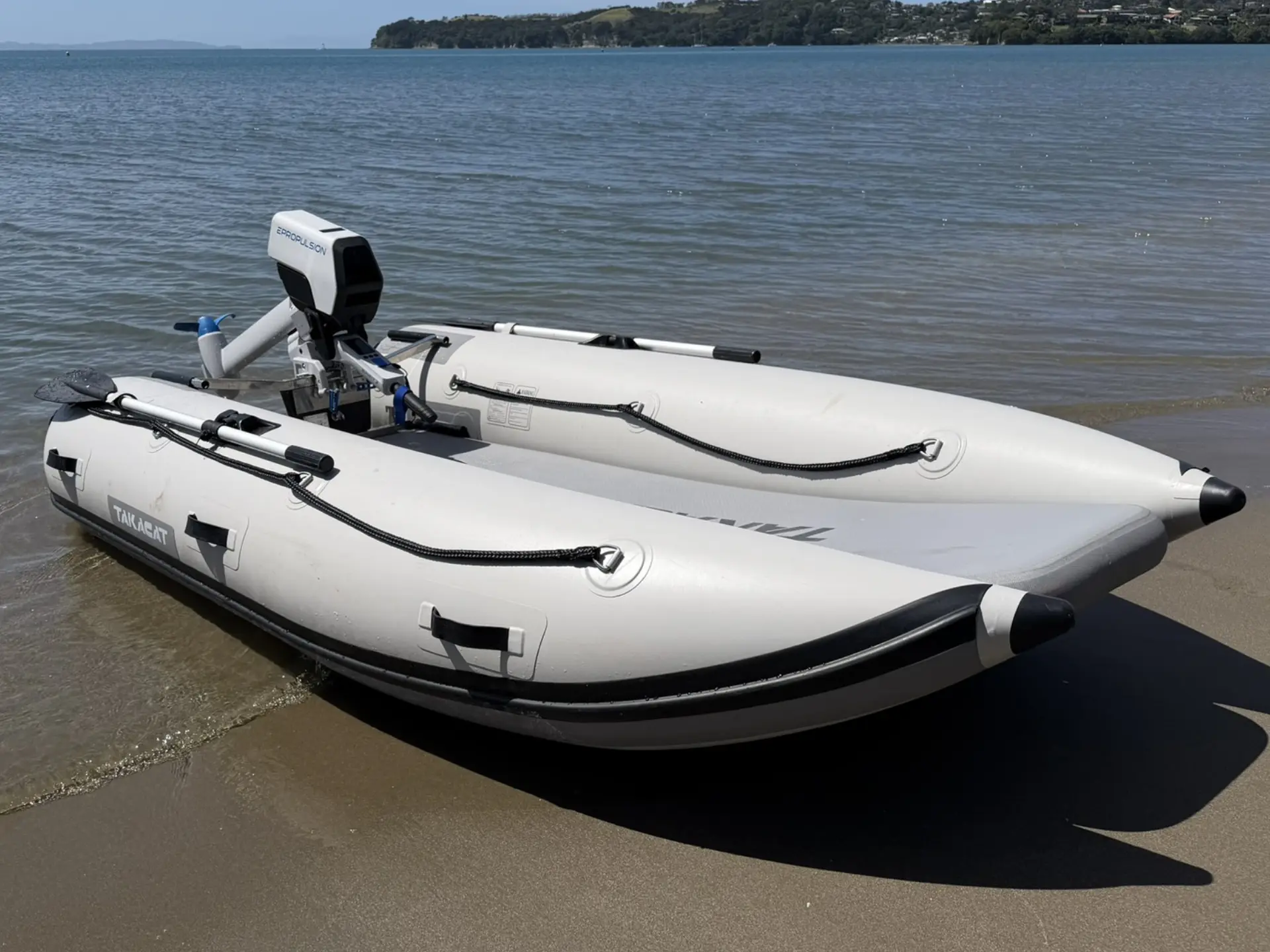
Smaller fishing boats
- Spirit / eLite / Navy Evo
- For pontoons, small fishing boats, and family vessels.
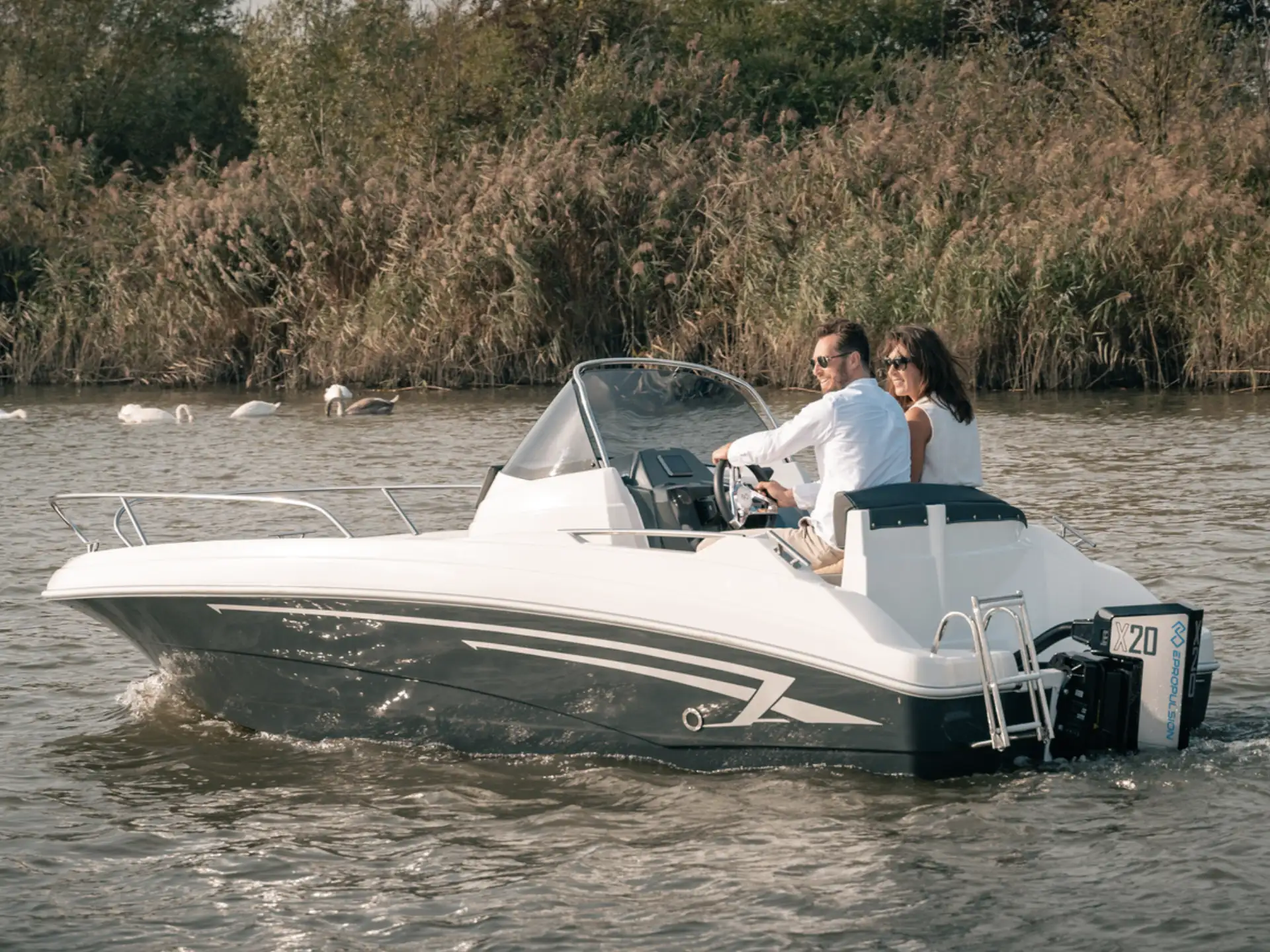
Motorboats and tour boats
- X Series (e.g., X12, X20)
- Driving comfort + power reserve under full load
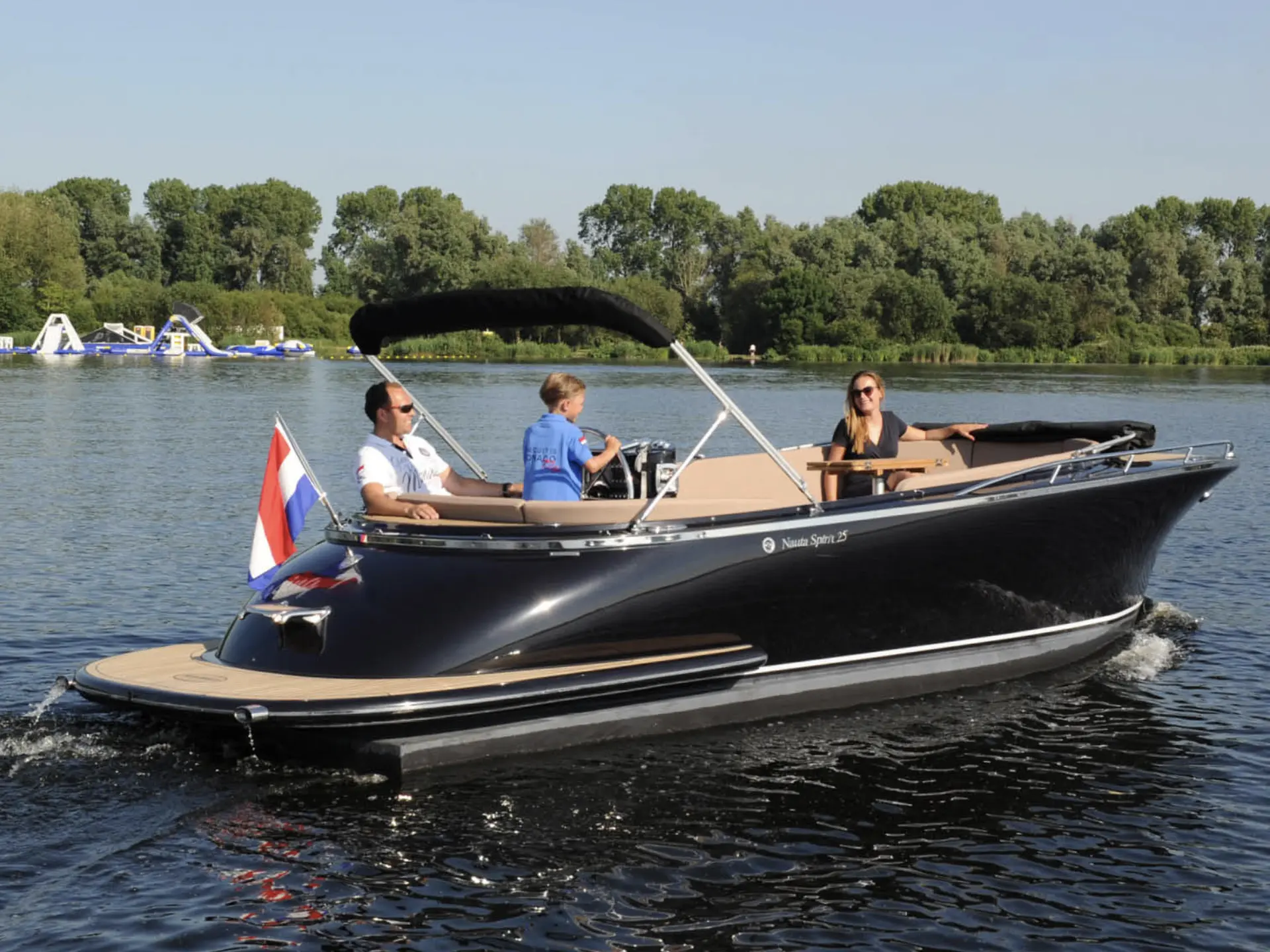
Larger vessels, houseboats
- Stationary motor 10-40 kW
- Integrated & compact, designed for continuous operation.
A proper power selection for a specific hull and customer profile is worth consulting before purchasing a fleet - because incorrect selection can lead to a boat that’s too slow or to overpaying for power that customers simply won’t use.
How much does it cost to equip one boat with an electric motor for a rental?
This is the question we hear most often - and the honest answer is: it depends on the vessel size and motor power, but it can be calculated precisely. ePropulsion stationary motors with 10 kW output, compatible with G-series batteries in a 96 V system, fall in the range of 20,000–25,000 PLN for the drive alone - and that’s before the battery, installation, and wiring.
Shift your perspective to investment
Instead of calculating it “in the dark,” treat it as an investment in a boat, not a one-time expense: an ePropulsion electric motor does not require oil changes or carburetor servicing throughout the season. That means maintenance costs are distributed differently than with a fuel engine, where regular service expenses start after the purchase.
For rentals planning a fleet of several or a dozen units, the best approach is an individual quote scaled to the number of boats - for larger orders of multiple motors, the pricing discussion is completely different than when buying a single unit.
Does a rental customer need a boating license to drive an electric motor?
This is one of the first questions rental owners ask when shaping an offer for tourists and families - because the answer determines how wide a customer base they can serve. In Poland, vessels powered by motors with output up to 10 kW (kW, not hp) can be operated without a boating license by adults under specific navigation conditions. This makes smaller electric motor configurations a very attractive segment for rentals focused on customers with little or no experience.
Higher-power motors from the X series that require qualifications are sold as a premium offer for more experienced customers , while a smaller configuration serves mass tourism demand without formal barriers. Before finalizing your fleet configuration, it’s worth verifying it against the current state of regulations, because details (e.g., permitted power, type of water body) may differ depending on the rental location.
How long can you realistically cruise on one charge, and what does that mean for the rental schedule?
This question determines how many rentals you can fit into a single day of the season - and therefore directly affects revenue from each boat. Operating time on one charge depends on:
- Motor power and battery capacity (in the 96 V system, G-series ePropulsion batteries are selected to work at full efficiency with X-series motors).
- The customer’s driving style - a calm cruise consumes energy more slowly than dynamic driving at full power.
For a rental business, it’s crucial to plan the schedule so there’s enough time between rentals to recharge - or to plan the fleet right away with spare batteries for a larger storage capacity, which keeps downtime to a minimum without waiting for a full charge.
How to charge the entire fleet between rentals during peak season?
During the high season - weekends, long evenings - it’s often charging time, not the actual ride that becomes the bottleneck for the whole business. That’s why a properly planned electric rental isn’t based only on charging “from zero to full” between customers, but on one of two models:
Parallel charging
Several units charged at the same time - requires an appropriately designed electrical installation at the mooring location (grid connection power, number of charging points).
Solar installation
It supports the energy balance on the boat and reduces the amount of energy taken from the grid. Increasingly common in modern recreational and commercial vessels.
The best time to make this decision is during the design stage of the rental infrastructure, not after the season starts - when you find out that the charging queue limits the number of rentals per day.
What is the annual cost of maintaining an electric motor fleet?
Compared to a fuel fleet, the annual cost of maintaining an ePropulsion electric motor is usually significantly lower - there’s no regular oil change, fuel filter changes, spark plug replacement, or carburetor servicing. X-series motors and stationary models are designed to be maintenance-free in everyday use, which, for a fleet of a dozen units, translates into a real difference in the number of service hours across the season.
The main recurring cost
Battery lifespan - a component that gradually loses capacity over time. When planning a multi-year budget, it’s worth treating it as a replacement cost every few years, not as an annual expense.
How to organize logistics and service for an electric boat fleet so you don’t lose days during the season?
The most common mistake made by new electric rental businesses is not having on-site service support. When the only technical contact is hundreds of kilometers away, a breakdown in the middle of the season can mean days of downtime instead of hours.
For a fleet based on ePropulsion motors, it’s worth having a dedicated contact with the distributor from the start - someone who can help with fleet configuration selection and provide technical support during the season. This is the difference between “the boat is out of service for a week” and “the boat is back on the water the same day.”
Is it worth investing in electric motors for a rental business right now?
If your rental serves customers looking for a calm, quiet cruise - families with children, anglers, or tourists without a license - then an electric motor today provides real competitive advantage, not just an eco-friendly gadget.
The key to success is selecting the right motor power and type (X-series outboard or stationary) for the specific type of boats in your offer and planning the charging logistics before the fleet hits the water in the first weekend of the season.
As the official ePropulsion distributor in Poland , we help rental businesses choose a complete configuration - motor, battery, and accessories - for a specific boat type and fleet size. If you’re planning this kind of investment, contact us so we can calculate it using your specific numbers, not just the approximate ranges from an article.
FAQ - Frequently Asked Questions
- No typical consumables such as oil, fuel filters or spark plugs.
- Maintenance is usually simpler than with internal combustion engines.
- Batteries only require regular checks throughout their service life.
Need Help? Contact Us
At Globtechnic, we offer comprehensive advice on selecting solutions tailored to your needs. We help you choose a configuration that is suited to your application and your practical plan of action.